Although winter has arrived in Australia, now is the ideal time to prepare your home for the summer heat. Introducing passive cooling solutions can help improve natural airflow throughout your home, keeping it cooler and more comfortable while reducing reliance on energy-intensive air conditioning.
Sponsored Post
You don’t have to keep your A/C system running 24/7 to keep your property cool and comfortable during the warmer months. You can leverage the power of physics-based engineering to reduce indoor heat and humidity at home naturally. This can be done by installing passive cooling systems inside your home.
Passive cooling systems, as the name implies, work to promote airflow throughout the building structure. It can work as a standalone ventilationsystem or be used in conjunction with existing HVAC and plumbing systems to release trapped warmth and maintain better airflow indoors.
When used properly, passive cooling systems can help create a comfortable indoor environment. They operate differently from mechanically-operated cooling systems as they don’t need electricity to keep a space cool.
You may be wondering what types of passive cooling systems are out there and how one can access them.
If you’re curious to learn more about passive cooling structures, then you’re in the right place. This article will help provide you with a deeper understanding of passive cooling techniques and mechanisms, as well as their inherent benefits, to inform you better on how to make your home more comfortable.
Let’s get started!
What is Passive Cooling?
Before all else, it’s essential to construct a working definition of passive cooling first.\
In a nutshell, passive cooling refers to a cooling approach that doesn’t use electricity to promote indoor airflow. It controls how heat enters and exits a building, promoting heat dissipation and minimising heat gain. It achieves this by the nature of its design.
There are many types of passive cooling solutions available in the market. These are commonly used across various types of building types, from residential houses to commercial buildings.
That said, passive cooling structures don’t have to be a dedicated cooling system, either. An optimal window placement can be more than enough to encourage warm air to escape and cool air to circulate—and such mechanics can fall under the term passive cooling.
Essentially, the main goal of passive cooling systems is to promote airflow within a building structure without adding strain to your existing A/C and HVAC systems. When harnessed correctly, it can unlock a wide range of benefits for both the building owner and the tenants living inside the structure.
How Does Passive Cooling Generally Work?
The mechanics behind passive cooling are fairly straightforward to understand. Basic physics tells us that warm air tends to rise while cooler and that denser air tends to settle lower. This process is called the stack effect.
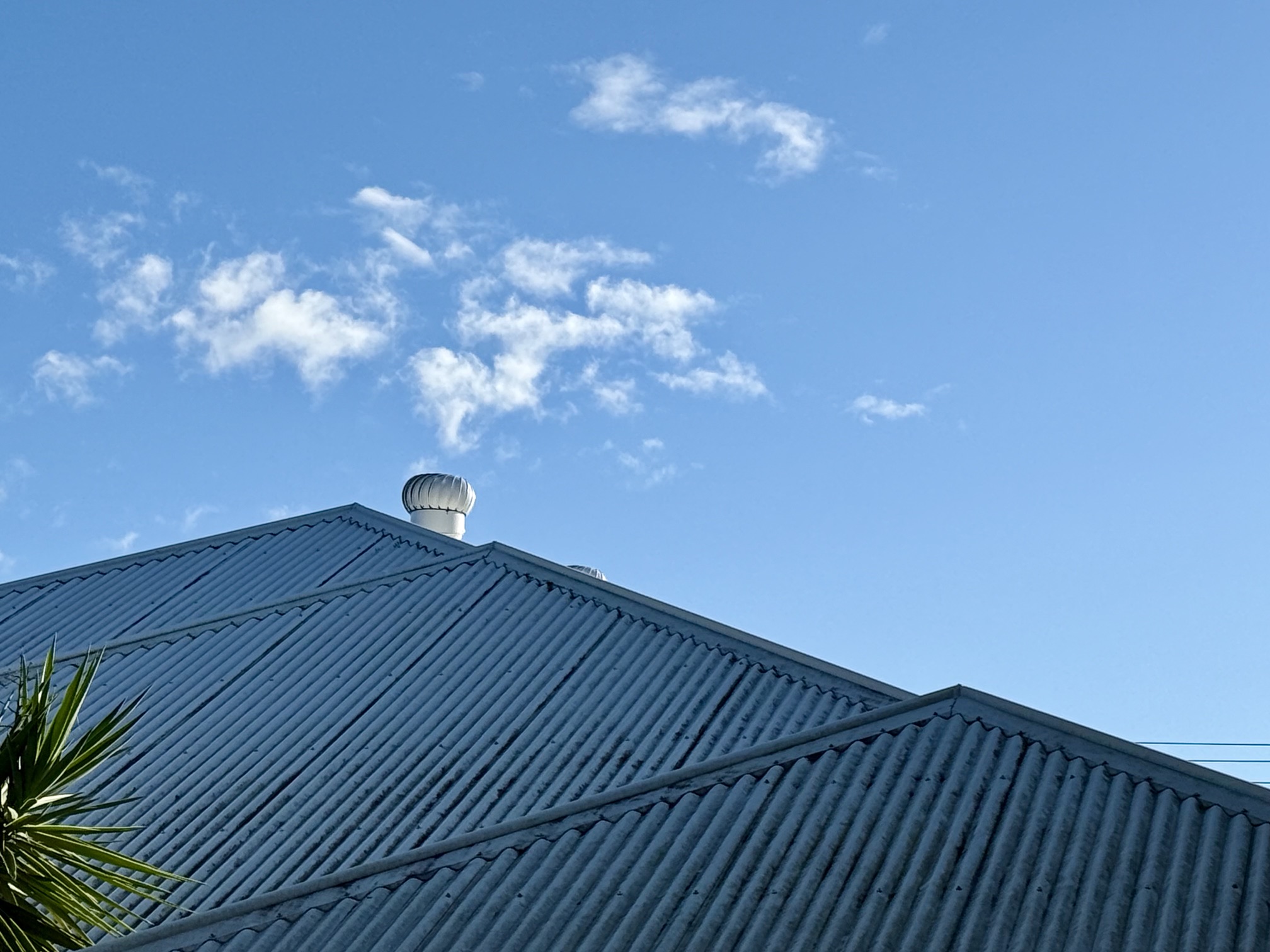
This is why many passive cooling systems, like the ones at Airocle, are situated at the top of a building near the attic. Hot air tends to get drawn out of the house through passive cooling systems located atop the building. These cooling systems tend to have openings that naturally allow hot air to exit with ease—all without the need for A/C systems.
This phenomenon supports the inward movement of cold air from openings in the lower side of the structure, such as through opened windows or doors. This promotes the natural flow of air within the premises, improving ventilation and reducing stagnation and indoor heat buildup from occurring.
Common Types of Passive Cooling Systems
As mentioned earlier, there are many types of passive cooling systems that one can integrate into their building structure. Below are some of the common ones that can be used to promote indoor cooling:
- Roof vents: This ventilation system is placed at the top of the roof cavity and helps hot air escape through an opening.
- Ridge vents: Placed along the roof’s peak to release warm air.
- Louvre: Angled slats that promote the exit of air while simultaneously blocking debris and rain from entering the house.
- Cross ventilation: This is a technique wherein two windows adjacent to each other promote the steady stream of fresh air to enter and exit the premises, keeping the interior cool in the process.
- Shade structures: Shade structures like pergolas, awnings, and gazebos help keep a place shaded and free from the sun’s direct rays. Trees and plants with shade can also cool the surrounding area.
- Reflective roofing: Reflective roofs, such as roofs made from light colours, help deflect UV rays and reduce heat absorption.
- Insulation: The right insulation material helps slow heat transfer and absorption through the walls, ceilings, and roofs.
- Thermal mass materials: Some construction materials, such as concrete and brick, make it difficult for heat to penetrate and escape the premises if openings are closed.
Many other passive cooling systems can keep a structure breezy and comfortable, but the above covers a good list of options that you can consider putting up to complement your existing HVAC and plumbing system.
Benefits of Passive Cooling Systems
If you have existing cooling mechanisms set up in your home or building, you may be wondering if there’s any use in integrating passive cooling systems.
The fact of the matter is that there are numerous benefits in augmenting your current cooling setup with passive cooling systems.
Here are the benefits passive cooling systems provide to a typical household or building structure:
- Lowers energy use: Passive cooling systems reduce the need for you to keep your A/C and mechanical cooling systems operating constantly, particularly during times when it’s not too warm to warrant extensive electricity consumption.
- Reduced HVAC strain: When less heat builds up indoors due to the presence of passive cooling systems, HVAC systems don’t have to work hard to maintain a comfortable indoor temperature. This increases their longevity and reduces their need for constant maintenance.
- Improved indoor comfort: If your HVAC system isn’t powerful enough to keep your house or building cool, adding a passive cooling system (or two) can help rooms feel less stuffy and humid.
- Lower utility costs: Less energy demand means lower monthly utility costs. This can save you more money in the long run.
- Environmental friendliness: Using passive cooling systems means disregarding the use of mechanical electricity, which can help reduce your household’s carbon footprint.
- Reduced moisture: Humidity can escape from strategically placed passive cooling systems. This helps reduce moisture in the house or building and promotes a cold and dry atmosphere that’s pleasant for everyone indoors.
These benefits make passive cooling something that property owners should carefully consider, as there are a lot of quality-of-life upgrades that people can appreciate when these things are installed within the premises.
Are Passive Cooling Systems Expensive?
The good news is that passive cooling systems won’t burn a hole through your wallet. However, naturally speaking, more complicated setups and renovation work will entail a higher cost.
Simple passive cooling system installations can range from anywhere between $150 to $500 AUD, which is a pretty approachable price for the benefit you can get out of it. That said, for multiple ventilation systems, it’s not uncommon for renovation projects to shoot upwards of $1,000 in Australian dollars. You may also have to pay for repair work down the line, but not as much as maintenance for mechanically-run cooling systems, fortunately.
Moreover, extensive upgrades and renovations can cost significantly more. It’s best to talk with a professional ventilation installer and shop around for viable products to add to your home before committing to a passive cooling renovation project.
We hope that this article has helped you understand the benefits and inner workings of passive cooling systems in greater detail. All the best in integrating it into your own property!
Disclosure: This post has been provided in accordance with my disclosure policy.