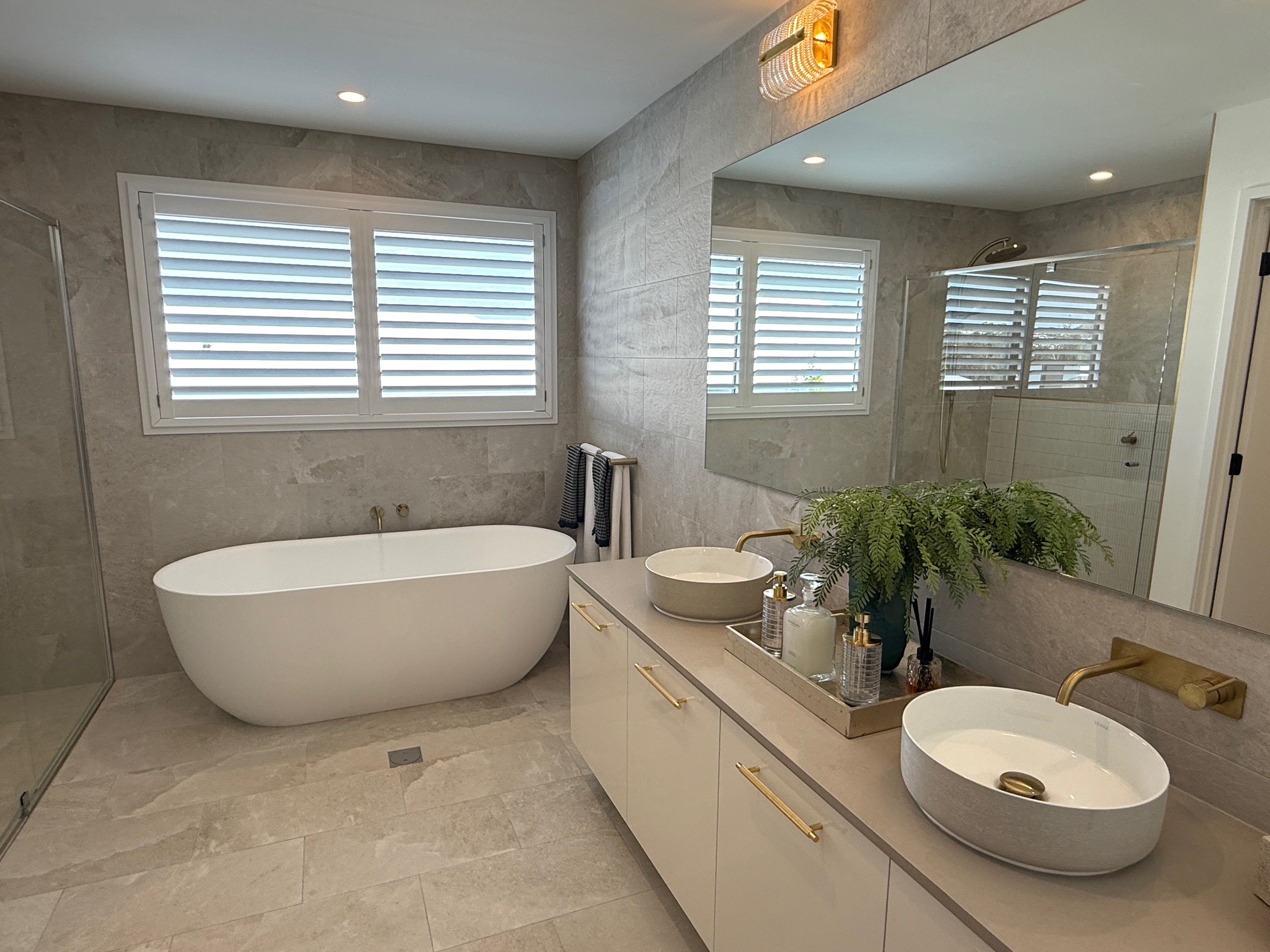
Buying a vanity, tapware or toilet online? Here is what to check with your plumber before you order bathroom fixtures online.
Sponsored Post
More and more Aussie bathrooms are being fitted out from a laptop. Vanity from one site, tapware from another, a toilet that was 30% off on a Tuesday night, and a week later the courier’s left a cardboard tower by the front door. Then the plumber turns up, slices open box number one, and says nothing for a bit too long.
That silence usually means one of a handful of things. A spout that stops a few centimeters shy of where the water should land, for one. Or a new pan whose outlet is nowhere near the hole in the floor, which happens a lot in old Queenslanders where the loo hasn’t moved since Menzies. Or a rain shower that was never going to get enough pressure in a house still running on its original galvanised pipes. It isn’t fussiness, it’s just that a product page shows how a fixture looks, not how it gets connected.
Here are the checks worth running before you click “add to cart”, ideally with your plumber looking over your shoulder.
Make Sure Its WaterMark Certified
In Australia, anything hooked up to the water supply (taps, mixers, cisterns, shower systems, the lot) needs WaterMark certification before a licensed plumber is allowed to put it in. Plenty of cheap imported fittings on the big marketplaces don’t have it, and a plumber who refuses to install them is simply following the rules.
So, hunt for the WaterMark logo and its license number, either on the listing or buried in the spec sheet PDF. No sign of it? Email the seller and get an answer in writing, because “it’s basically the same as the one at Bunnings” won’t help anyone on install day.
Check the WELS Star Rating
You’ll also see WELS stars on taps, showers and toilets; they tell you about the litres per minute (or per flush). Three stars on a showerhead means 9 litres a minute at most, against the 15 or 20 an old unrated head can happily chew through.
Put a stingy head on a house with weak pressure, though, and you get a shower like Melbourne drizzle, so read the stars and the next bit together.
Know Your Water Pressure
Big rainheads and some thermostatic mixers want decent, balanced pressure on both the hot and the cold side. Houses on gravity-fed hot water, older properties with original galvanised pipes, or homes perched at the top of a hill can all struggle.
A plumber can screw a gauge onto the garden tap in about five minutes; while they’re there, ask point blank if that shower will work in your house. A $600 rainhead that dribbles? Money down the drain, and not in the good way.
Measure the Tap, Not Just the Basin
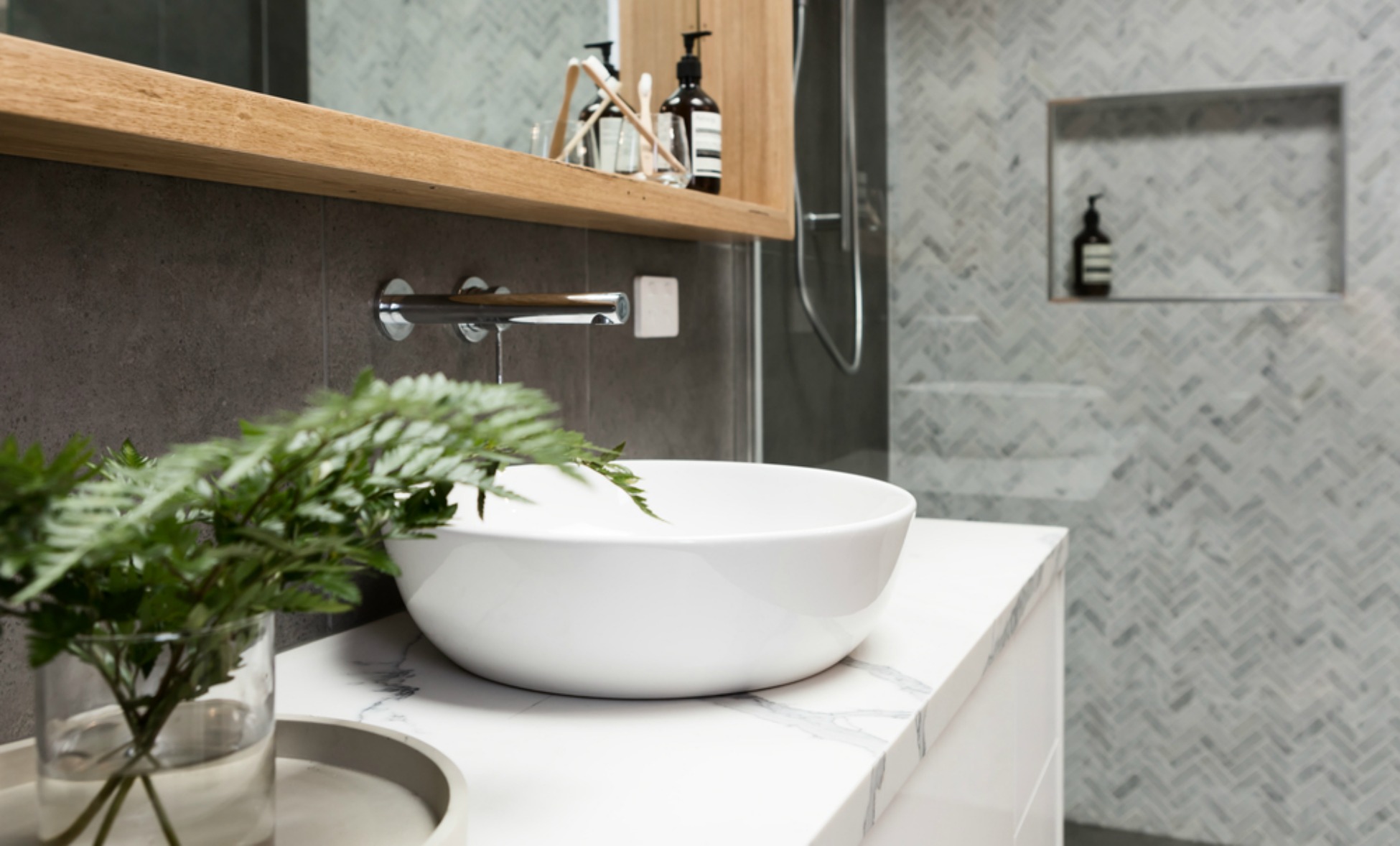
Honestly, this one trips up more people than anything else. You buy the basin and spout separately, then find the water hits the back rim and bounces onto the stone benchtop you just paid for.
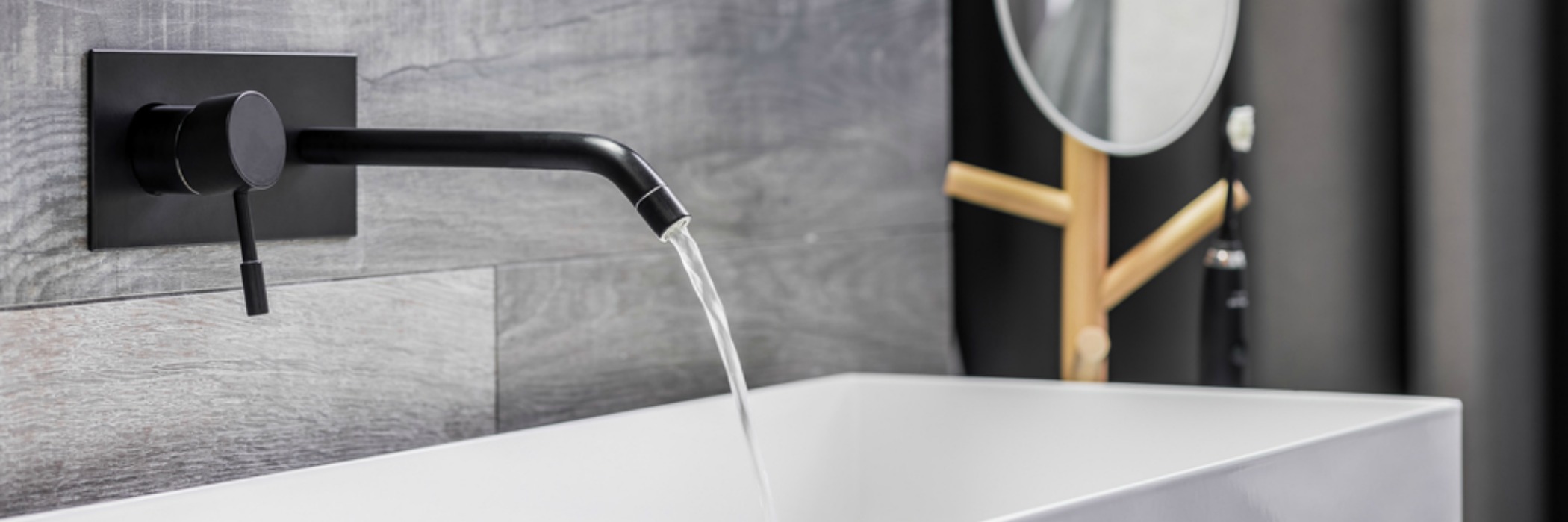
Tape measure out: how far the spout pokes out (reach), and how high above the rim it sits. Have a look at whether the basin even has a tap hole, because some don’t, and that means a wall-mounted mixer instead. And if you’re going the wall-mounted route, find out how deep the wall cavity is and where the pipes come through at the moment.
Wall-mounted spouts look beautiful, but they need to go in while the walls are open. Swap a bench mixer for a wall one after tiling and you’re looking at retiling.
Toilet Set-Out and Waste Position
Toilets drain either down through the floor, an S-trap, or back into the wall, a P-trap. Wall to the middle of that waste is the set-out, and the spec sheet on any half-decent suite gives a range.
Miss that range and the cistern ends up sitting off the wall, or someone’s jackhammering the slab to move the waste (ask your plumber what that costs; it isn’t cheap). Measure from the tiled wall, not the bare frame.
Look at What the Vanity Hides
Online vanity photos tend to show off a gorgeous bank of drawers and nothing else. The pipes, meanwhile, are still poking out of the wall back there. Check whether the vanity has a back cut-out or a U-shaped top drawer that clears them. Wall-hung? Then it needs noggings in the frame, which your builder has to put in before the sheeting goes up.
Use the Product Images, but Check the Specs
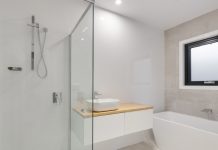
To be fair, the websites have lifted their game. Quite a few brands use bathroom renders now, computer-made pictures of a finished room that you’d swear were photos, which is handy when you’re trying to work out if brushed brass goes with a spotted gum vanity.
No picture tells you the reach or the set-out, though. Pick the look from the images, then grab the spec sheet PDF and forward it to your plumber before paying.
Before You Hit Order
Go back over it once more. Is everything that connects to water WaterMark certified? Then tick off WELS stars against your real pressure, spout reach, set-out from the tiles, trap type and the pipes behind the vanity. And read the returns page, because once a toilet box is opened most shops won’t take it back.
Worth the Five Minutes
Online is cheaper and you’ll find ten times the range of any showroom in Brissy or Sydney. The photo’s just half of it. Five minutes with a tape and one phone call to your plumber beats a return fee, a second delivery, or that awkward chat once the tiler’s already been and gone.