Home Blog Page 51

Setting a Realistic Plumbing Budget

0

When starting a new construction or renovation project you need to have a realistic budget set in place. Unfortunately due to the poor pricing that is being submitted at present by other trades at below cost prices, there is confusion over what is the right amount to budget for.


If your budget is too small, you shouldn’t be doing the project in the first place or you need to downscale to meet the budget you had in mind. You should be setting a realistic plumbing budget.


Get a minimum of four prices from each trade whether it’s doing a bathroom renovation or a tenancy fit out job. If you have two or three quotes that are within a couple of a hundred dollars of each other, you know that these are the quotes to go by.


Builders can’t always give an accurate guess at the cost of certain trades because they aren’t licensed to do that trade (plumbing and electrical in particular) and have no clue on fees for lodging the project to the relevant council if applicable.


Most commercial plumbers use an estimating program to price jobs. An estimating program has formulas set in place so that a plumber can scale off a plan (or use exact measurements from site) and enter the data into the computer which will calculate a fairly accurate estimate of how much it will cost to get the job done. Sadly plumbers aren’t taught this skill in Tafe and most rely on counting lengths of pipe and guessing fittings that they need which means they over price the job or most times under price it.


An under priced quote may sound great for the client because it’s not their fault the plumber didn’t allow for enough material or labour to do the job, but what ends up happening is half way through the project the plumber realizes his mistake and won’t go back to finish the job unless he gets more money or does a complete runner altogether, leaving the client with an unfinished project.


As a professional plumber I don’t know how many times I explain this to clients who have sadly got unrealistic plumbing budgets in mind. Realistically a bathroom renovation needs to have a budget of $15,000 and a kitchen approx $20,000. This includes a revamp of the services in the walls which would be recommended for houses over 15 years old. Of course, the price can be reduced by using cheaper materials or fixtures for example installing plastic pipe instead of copper but some plumbers choose not to install plastic pipe because they believe copper is a superior material.


Budgets are important and having a realistic figure in mind means you won’t get a nasty surprise when the quotes come emailing in. Be open with your plumber about the budget you have in mind. If a plumber is not confident in pricing over the phone or in person, wait for them to submit the price in writing. For a list of good plumbers in your area, contact the Master Plumbers Association in your state.


Plumbers with Pride in their Appearance

0

 Appearance is everything right? When I style clients through my other business Styled By Bec, I always tell them that people judge them on their appearance in the first 10 seconds of meeting them. This information is alarming if you don’t look your best or haven’t put any thought into your appearance. But who cares right? Sadly, your appearance can have a negative impact on the decision that person makes when it comes to job interviews or maintaining or building business clients.


So it brought a smile to my face when I recently read an article in the October issue of the Master Plumber magazine produced by the Master Plumbers Association of QLD (MPAQ) about plumbers making first impressions. The article advised plumbers not to wear pants smeared with silicone because current and potential clients would assume that you were an untidy tradesperson. For me being a girl plumber though, I always wanted silicone to be smeared on my shirt or pants because I wanted clients and other plumbers/apprentices to know that I wasn’t afraid to get dirty to get work done.


In my first week at tafe, I had a male apprentice ask me why my shoes were so clean. I should have honestly answered that the buildings I worked in required clean shoes (inner city tenancy work) and that our company rarely worked in areas that would ‘cake our boots with mud and effluent’. But because I felt judged and wanted to ‘fit in’, I told him, I had two pairs of boots and these ones were my newer pair! From then on though, I made an effort to really scuff my boots, walk in mud (when I could) and put silicone on my pants to show that I was a true blue plumber. I shouldn’t have cared what other people thought of me and now, 6 years later and reading the Master Plumber article, I reflect on how important it was for me to ‘look like a plumber’ and yet, to be a marketable point of difference, my silicone smeared pants were giving the wrong impression!


I had the same judgement made a month ago where my dad and I had to run a 25mm copper gas main under a house. I could crawl to a certain point, but my dad had to do the rest of the work under the house because it required crawling on your belly and being 16 weeks pregnant, there was no way I was going to fit under there, let alone squash my bub!


When we both came out from under the house, Dad was covered in cob webs and dirt, and me, I just had a bit of dust and dirt on my knees and hands. The electrician onsite asked me “so why didn’t you get under there and save your dad from doing the hard work.” I should have replied that most electricians wouldn’t know what hard dirty work was but I refrained and explained that I was pregnant. I’m pretty sure he felt foolish for his quick judgement.


I still believe appearance is important for every trade and business. When you look good, you feel good and you do your best work. So no more silicone smeared pants for me. If truth be told, I hate the stuff – silicone I mean, not the pants!!

Have you ever had to deal with a plumber that has had little pride in their appearance?

Coloured Tapware

0

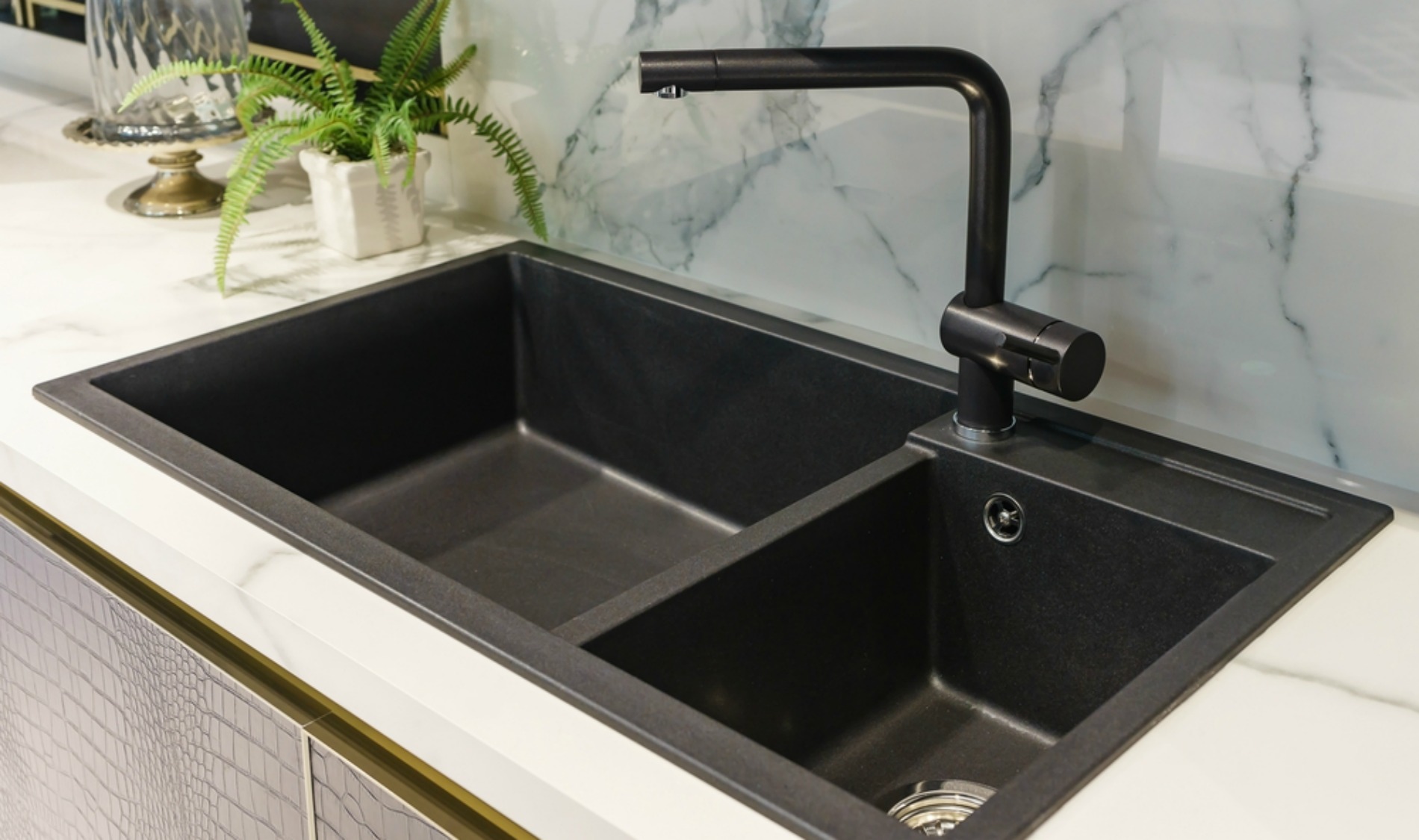
A new trend in bathroom design is installing block colour tapware. Some of the colours include red, yellow and black.

While they may look great now in your designer bathroom they will date and be difficult to keep their colour in the future.


I remember a couple of months ago doing plumbing maintenance work to a property at Indooroopilly. None of the taps matched in the bathroom. There were two basins with one yellow mixer and one red mixer
(both by Dorf) and the shower taps… I couldn’t make out what colour they used to be because the paint had worn off from constant use! The bathroom did not look appealing at all.


White and ivory tapware are also common in houses built in the 1990’s. The problem with these taps though is that when it comes time to replacing the washers or ceramic disc spindles, the white enamel can come off the flanges when using multigrips to disconnect the taps.


When purchasing taps for your bathroom or kitchen, chrome is the best choice. It’s modern, it won’t date and chrome taps are affordable.


Purchasing your taps from a reputable supplier like Reece Plumbing Supplies or Tradelink will ensure that there will be no issues with the warranty.


I have had one client who bought a $29 kitchen mixer from Bunnings, only to have to buy the same one two weeks later due to the lack of warranty. It needed to be replaced a further two weeks later costing the client nearly $90 for 3 mixers! The cost could have gone towards a more reputable brand of tap and would have saved less time and headaches in disconnecting the faulty tap 3 times!


It’s also important to note that the plumber that installed your taps is not liable for the warranty of the taps they install. The warranty starts from the time of purchase and installation of the tap ware. If the taps break down outside the warranty time stated, it is not the plumber’s responsibility or liability to disconnect them and install new taps for free. It is the manufacturer’s liability.


Read the fine print of what the warranty says. For most mixers, they have a 12 month full replacement and installation warranty (meaning if the tap becomes faulty within 12 months, the manufacturer will organise a new replacement and pay for the installation costs).

If the warranty has fallen outside the 12 month warranty, often the manufacturer will supply the new tap, but won’t pay for the installation, which means you will have to pay a plumber to do the installation.


In most cases, if you buy from a reputable brand and plumbing supplier, you shouldn’t have any issues.


Do you like coloured tapware? Would you use it in your own home?

Should Women be Tradies?

0
female plumber on site showing her boss the problem

I’m all for women getting into a trade because they are adaptable, trainable and great problem solvers. They are reliable and committed to getting the job done. They may be slower than their male-counterparts but they are more thorough. Am I talking about myself here? Yes, because I know my weaknesses and this is why I choose to work alongside my dad and since falling pregnant, I’m glad to have someone to give me a hand.


Am I against women getting into trade? Yes and no. It’s not because I don’t want them there, but I fear for their emotional wellbeing. There is a huge lack of respect for women in a man’s world. Pornography, sexist comments even harassment are part of the workplace – including TAFE, no matter if the company plays by the policy ‘equal opportunity’. Can this ever be stamped out? I’m not sure. Possibly the more women that enter a trade, the more support they have to be able to cope with the criticism. Hopefully there will come a time where a female tradie will be the norm.

I believe there will be a stage where every plumbing firm will need to employ a female plumber. Why? Australia has the highest standard in the world for its safety regulations. I predict that there will be a time where only female plumbers can work in female toilets. Sound ridiculous?? Yes, but incredibly the world is changing and some of the practices that we have in place today would sound ridiculous to businesses 50 years ago.


I have often heard arguments about how women can’t cope with lifting heavy equipment or pipes. I have never seen one of my plumbers carry heavy equipment by himself. He has ALWAYS had a colleague to help him so I don’t see how this argument can be of any substance.


The next argument is that they are the weaker sex. True. But over time skills and strength are developed. I’ve never seen a 15 year old male apprentice turn into Mr Muscle’s the plumber over night.


Prior to the GFC (global financial crisis) and our change in company direction, my dad was all for employing only girl apprentices because some of his male apprentices would be involved in the following


  • Taking drugs and go mental on a construction site
  • Come to work hung-over from an all night booze up
  • Consistently ask for their holiday pay or sick pay to pay overdue rent, bail to get them out of jail, or pay other overdue bills or speeding fines
  • Lost their license from speeding fines while driving on a restricted license

My dad was exasperated with the issues he had to deal with when dealing with male apprentices (as was I!!) – and while not every one of our male apprentices got involved in the above situations, surprisingly, I have had conversations with other plumbing firm manager’s that have experienced the same behavior from their own male apprentices.


Most female apprentices tend to be a bit older – more mature and less likely to get involved in activities that could cost them their apprenticeship. They are more eager than male apprentices to get a job in construction because they know how HARD it is to get employed, and yet they don’t quit. That’s the kind of employee I want in my company. I don’t want quitters.


My encouragement to all construction firms and plumbers is this – employ a female apprentice. October/November is the time for resumes and job applications to be sent in for apprenticeships in the New Year. If you are a manager of a company and receive an enquiry from a female – don’t disregard them. Sit down with them and find out why they have a passion to do a trade. It’s important to train and support your female apprentices – they don’t need you to hold their hand but they certainly need you to back them when they are working for your company.

Book your Plumber now before the Christmas Rush!

0

Christmas is less than 12 weeks away, so if you are planning on getting a plumber in to do some work, now is the time to book them in – especially if you want the job to be done before Christmas.


Generally, commercial plumbers and building firms close down for 2 to 4 weeks over the Christmas period. Domestic plumbers generally do too because of school holidays and it’s the one time of the year where the industry closes down for a much needed break. This year, Christmas holidays will start from Monday 24th December 2012 until the first couple of weeks in January 2013.


Due to work being slow for parts of the year, some trades may choose to work through Christmas if they are able to win projects that need to be completed over the holiday period.


Unfortunately, it happens every year, that clients leave it to the last minute to ring a plumber – which then causes a mad rush to get jobs completed before Christmas.


If you know you are going to have guests over for Christmas and you really want to get your bathroom renovated or your toilets replaced etc, ring a plumber now and don’t delay thinking you have plenty of time. Everyone else is thinking the same thing and will ring at the same time and it will be the first in, first served strategy that will determine if your work gets done prior to Christmas.


Book your plumber now before the Christmas Rush.


Are you organized when it comes to plumbing maintenance at home or do you leave it to the last minute?

How illegal plumbing affects you

0

If you’re a tradesperson or not, you should check out the entries in Reece’s DIY Plumbing disasters competition. It is frightening how creative people can be when installing plumbing themselves and not engaging a licensed plumber.


Illegal plumbing is a huge issue because it can cause a health risk to the user and the greater community. Plumbers are licensed for a reason and their fees are fair in ensuring the safety of the occupants inside the dwelling and the greater community.


My favourite entries would have to be the basin waste connected into the toilet waste using feroppe – photo taken by Brent in QLD, and the toilets installed in the slab at a childcare centre – photo taken by Lee in NSW.


Illegal plumbing can not only become a health risk, it can also cost you money. If you ever put your property on the market and it has illegal plumbing installed, the building inspection will make you rectify the plumbing. This not only costs you money but can potentially cost you the sale of your property because no buyer wants to purchase a property with illegal plumbing.


It’s so important that when getting quotes from plumbers, you get 3- 4 quotes. Don’t automatically go with the lowest quote if the amount quoted is the furtherest away from the other 2-3 quotes.


Recently, my dad was asked to quote on installing a urinal at a commercial property. My dad allowed for the necessary fees to the Brisbane City Council as well as a floor waste and hose tap which is a plumbing code that must be adhered to. Sadly we didn’t win the quote because another plumber quoted more than half our price because he didn’t allow for inspection fees, and didn’t allow for a floor waste or hose tap. The client thought we were ripping him off for allowing these in our quote, when in fact, it’s the other plumber who is doing a shonky job. Unfortunately, when the time comes for him to sell his property, he will have to pay more money to get the job fixed and done right.


Read my blog – USE A LICENSED PLUMBER! If you don’t you will end up with some of the entries on the Reece DIY disaster competition.

I’d love to hear how illegal plumbing affects you and if you have experienced dodgy work in your own home or in another property.


*This is not a sponsored post by Reece and all views written in this article are The Plumbette’s own.


Fifty Shades of Brown

5
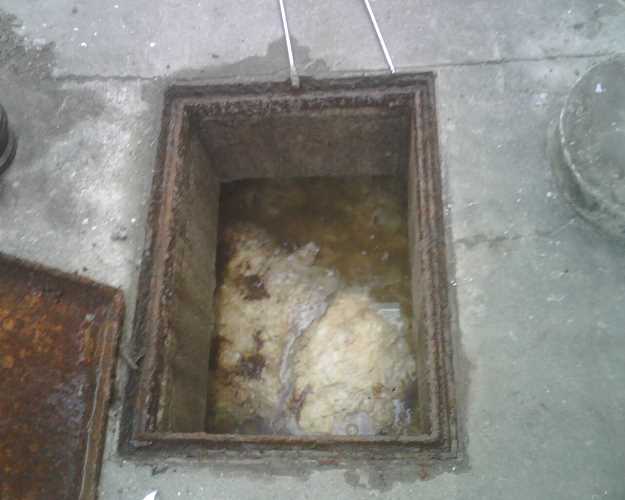
what a blocked sewer chamber looks like

Being a plumber and a mum I have seen many shades of brown. It’s part of the job. The problem with brown effluent, no matter its shade, is that it stands out on white porcelain. I’ve always wondered why toilets are white. However, I must admit, I do like a clean, white, shiny toilet where the bowl is free of skid marks and rust.


How do you keep your toilet bowl clean consistently? The obvious answer is to clean it regularly but what happens when you start to get a brown mark that stubbornly won’t brush away?


I have been told of a number of different remedies that fight such stains. I haven’t needed to use any of them because I live in a fairly new house and my previous house had water pipes run with copper and I will explain the significance of this later.


Some of the remedies I have heard are

  • Pour a litre of coke in the bowl and let it sit overnight, scrub and then flush
  • Drop a denture tablet into the bowl and let it sit overnight, scrub and then flush
  • Squeeze Whitening toothpaste on the toilet brush and scrub as needed
  • Bleach – although I have been told it only ‘whitens’ the stain, but doesn’t completely get rid of the marks

I’ve also written about using toilet bleach crystals that can work on stubborn stains.

Depending on how old your house is and what type of pipes are run throughout your house can also have a significant impact on the colour of your toilet bowl. If the water pipes in your house are run in Gal steel (silver pipe) those stubborn stains at the bottom of the bowl aren’t skiddies, but in fact rust and sedimentation from the gal pipes.


Gal pipes are no longer used when running water lines in newer houses because copper and plastic are cheaper to install, cheaper to buy and they don’t rust – hence why I have never had a brown toilet bowl.


After many years of water flowing through gal pipes, the orifice in the pipe gets caked with a rust sediment which can slightly colour the water and when this water sits in a toilet bowl, this is what causes the bottom of the bowl to look a terrible shade of brown.


Generally, you can’t see the brown in the water even when you drink it through your taps or when you bathe. The only way to combat brown scud marks at the bottom of the toilet if you have gal pipes is either replace all the gal piping in the house (which is an expensive and labour intense exercise but if you are renovating, it’s worth it!) OR replace the toilet bowl every couple of years as soon as the marks start to become unbearable to look at.

At the end of the day, it is still a toilet with a sole purpose of flushing effluent away. I’m sure it’s seen more than fifty shades of brown… just depends if you can stand seeing them too!


A Funny yet Sad Plumbing Moment

0
5 reasons your bathroom smells like a sewer

I was recently asked by a journalist from the Courier Mail, what is the funniest thing I have come across as a plumber. I had to ponder for a moment because there have been some pretty funny moments, but some have also been strange and sad.


My dad has the best stories having been in the industry for over 35 years. One of the funniest but also possibly saddest stories depending on how you look at it was five years ago when Jacol Plumbing refurbed the male and female toilets in the ING Building on Edward Street, Brisbane. The toilets were refurbed one floor at a time.


These toilets have a code on the door so that only the staff members on each floor can use them. Early one morning, while I was waiting in the truck and dad delivered some fittings to one of our apprentices onsite, a terrible smell wafted from the foyer of the building.


My dad asked the apprentice if he had cut into a sewer pipe to cause the dreadful smell in the foyer. The apprentice shook his head and lead my dad to a pot plant in the corner of the foyer, and there on the floor was a pile of human poo. My dad couldn’t believe it and said who would have done that? To which our apprentice explained that a random homeless guy had tried to get into the toilets and because they didn’t know the code, chose the foyer near the pot plant to do his business. The cleaners were on their way to clean the area and fumigate the foyer. This was 5am in the morning, before most workers would arrive for work.


Apparently it had happened before. When my dad told me in the truck, I couldn’t stop laughing. And then I felt compassion for that poor person who must have been really aching to get to a toilet and unfortunately chose the wrong building. Sadly and ironically, the homeless person got their revenge and the whole incident could have been avoided if the toilets didn’t have a code.

Why do Plumbers Have a Call Out Fee?

0
why plumbers charge a call out fee

A plumbers call out fee is charged on every maintenance job a plumber attends to. They are a necessary charge to keep a plumber in business.

The call out fees in Brisbane range from $80 -$160. The call out fee does not include labour or materials, however, some plumbers do choose to give the first 15 minutes of labour free. But generally their call out fee is higher to compensate for the ‘free’ labour time.

What does a plumbers call out fee cover?

There are a number of items the call out fee covers but in a nutshell it generally covers the time and petrol and other expenditure incurred to reach your premises. It also covers the basic administration and running costs of the plumber’s business. A plumbers call out fee covers:

  • Expenditure travelling to your premises
  • Maintenance on the vehicle used
  • Labour time in keeping their vehicle stocked at all times to fix a number of different plumbing issues
  • Fees to keep Plumbing licenses up to date
  • Insurances for public liability, BSA etc
  • Accounting and invoicing costs
  • Workplace Health and Safety Manuals and Work Method Statements – generally needed for commercial premises only.

A plumber’s labour rate is generally what he or she earns per hour and takes as their income to live off. They don’t live off the call out fee.

Should a customer worry if they aren’t charged a plumbers call out fee?

Plumbers are a targeted occupation by the Australian Tax Office because they are the one of the worst occupations to over claim on expenses and not declare other income (eg cashies).

A good plumber will ensure their administration and accounts are handled in an honest and reputable manner. If a call out fee is not charged, it can be a sign of a plumber not charging efficiently.

This can affect you as a customer as a plumber who hasn’t done their due diligence to charge correctly can cut corners when attending a job and/or could be in a position of bankruptcy due to incorrect pricing.

It can put the customer at risk of illegal plumbing work, having to resolve an incomplete plumbing job and losing money because of the costs involved in correcting the work or getting the project completed in time.

Pardon the pun, but it pays to pay for quality. A cheap price or lack of call out fee can mean you will pay for it later.  It’s better to be safe than sorry.

For a list of reputable plumbers in your area, check out the Master Plumber’s website in your state.

Exciting news for the Plumbette

0

My blog posts have been sporadic of late due to being sick and really having very little motivation to do anything. I don’t know whether it’s my body telling me to rest and not overdo it or the extra hormones that are in my body since I’m pregnant! I didn’t know how to announce my second pregnancy on my blog – but so that you all know Bubba number two for me is due at the end of February 2013. Some of you may have you been able to tell from my blog posts due to recently complaining about being constantly sick and changing the basin traps in my house due to ‘dead drain’ smells.


Being a pregnant plumber is not fun. My sense of smell has increased so much I can now smell silent and ‘odourless’ farts. I always thought they didn’t smell but I can assure you, you’re wrong! So when it comes to plumbing, smelling toilets and sewer drains make me want to puke. Thank goodness I work near toilets!


My poor dad has had to hold a bowl for me in the truck while driving to a job so I could spew up my breakfast. We had a few looks from other drivers when my dad opened the door and hurled what was my breakfast on the side of the road.


I’m particularly careful about using primers and glues when connecting PVC pipes. I am also anal in washing my hands whenever I touch something unhygienic from a toilet or urinal. Anything really nasty, my dad does for me.


He recently went to a job by himself to disconnect a sink pump. Because there was no backflow valve to the pump out line, whatever was sitting in the pipes came running back out into the kitchen when the pump was disconnected. The smell was so bad, the receptionist asked my dad what the smell was and what could be done to get rid of it. A few cans of air freshener were used that day and I am so glad I wasn’t there to smell it. The waste from pumps is one of the worst plumbing smells you can come across.


At present, my baby is healthy and all my scans have gone well. Naturally my husband and I are thrilled with the soon-to-be new addition to our family. It’s going to be an exciting next 6 months as we await the arrival of our baby and I can’t wait to see what the future holds!


Attracting Good Clients

0

Today was a fabulous day at work, firstly all our jobs were fairly easy to solve and do and secondly, we were able to catch up with clients that we have built a relationship with since we started our maintenance plumbing division nearly 4 years ago.


One particular client, who are the pastors of an AOG church in Annerley are one of my favourite clients to catch up with. I was excited and saddened to hear of their impending retirement in November this year, but I’m looking forward to hearing about their travels and where God will take them in the future.


The reason this particular client holds a special place in my heart is not because they are a friendly couple (which they are) nor the fact that they pay their bills on time (which they do), but because of their general interest in our/my family and business.


The first plumbing visit that was made to this client was over 2 years ago and it was my dad who attended the call. At the time I was struggling with terrible morning sickness in my first trimester of pregnancy with my now 2 year old daughter. At the time, a lot of clients were asking ‘where is the plumbette?’ which left my dad in the awkward situation of explaining that I was crook – which I was. He wanted to tell our clients (which were mainly stay-at-home mums) that I was at home crook growing his first grandchild!!


When my dad visited our wonderful client at Annerley, he let the cat out of the bag – so to speak – and told this husband and wife pastoral team that I was suffering from morning sickness. They were so excited about our new business venture and about our new family member, that they prayed for my dad and for me and the wife put together the most beautiful package of two hand-knitted cardigans in lemon and green with matching booties and beanies as well as a children’s book about the true story of Christmas – Jesus’ birth.


When my dad gave me the package, I was so touched that a client would give me such a meaningful gift (it was my first official baby gift!!) – having never met me – they were committed to praying for me and my unborn child. On consequent visits, I was able to meet with this client and my dad and I have built a lovely relationship with them over the years and it was wonderful to see them again today.


Today’s visit was extra special because when we finished what had to be done, we came together in prayer – my dad praying for this couple’s future and enjoyment of their retirement, and the client prayed for our business and for future favour in our line of work.


This is a beautiful example of how our faith can intertwine with our work and what a blessing it is to work for clients that appreciate the service you give them.

Smelly Drains: The Cause of the Smells and How to Fix Them

0
how to fix smelly drains

If you have smelly drains and need a solution, read on with my tips.

In the last week I have noticed a funky smell from our ensuite bathroom – and no, it wasn’t something nasty in the toilet!! The smell was a distinct drain smell and I knew it was coming from our shower waste.

This can be a common problem in most households and it can be easily fixed.

The shower waste trap (bottom of the pipe running from the ground to the shower grate) holds water to form a water seal to stop the main sewer smell to travel up the pipes into your bathroom.

This is why you have a ‘s’ or ‘p’ trap on your fixtures (bath, basin, sink, laundry tub and toilet).

Sometimes though, the bottom of the trap holds sediment and bacteria from hair, soap and shampoo and conditioner. It can also sometimes hold wee if a person does a number one in the shower.

Over time, this sediment is what can cause the ‘dead drain’ smell.

I knew this was what was causing the smell in our bathroom because I recognized it from fixing the problem in client’s bathrooms.

All that was needed to fix it was to take the shower grate off and the floor waste grate off and use a special liquid that only licensed plumbers can purchase called Mo-Flo.

Mo-flow is sulphuric acid that dissolves all organic blockages and sediment without damaging your pipes.

It needs to be left in the drain for 10 minutes and eats away the hair and black sediment that has settled at the bottom of the trap. After the 10 minutes, the shower has to run for 10-15 minutes to flush it out of the floor waste into the main sewer.

This formulation can only be purchased by plumbers and for use by plumbers. It is similar to Mr Muscle’s Draino that can be purchased from a supermarket, but Mo-flo is more potent and much more effective.

The smelly drain is no longer a problem in our bathroom.

I have found that the drains that smell the most are those bathrooms that are used by girls with long hair because as they wash their hair, they also lose it down the drain and over time this accumulates at the bottom of the floor waste and decomposes.

Another reason why a drain can smell is if the bathroom hasn’t been used for a while and the water at the bottom of the floor waste has dried up which is allowing the main sewer smell to enter your bathroom.

This is a simple fix by running a tap and the water from the basin waste or shower waste (providing the water running from them goes into the floor waste) will automatically fill up the floor waste and create a water seal to stop the smell.

Does your bathroom suffer from smelly drains? What have you used to clear the air?

Early Starts are part of the job as a Plumber / Plumbette

0
when your tap won't turn off

Getting up early is part of the job when you’re a commercial plumber. I get the best (and worst) of both worlds by doing commercial and residential plumbing.

When doing commercial plumbing, you can start as early as you want depending on access to a building and whether there are tenants that live in the building. For residential jobs, work can’t start until 7am due to noise requirements.

This morning, I had an early start because it was a commercial sink. One of my pet hates of plumbing is when other plumbers have plumbed in a sink in a building and haven’t installed an isolation tap to that sink or tenancy.

It means that sometimes the whole building needs to have their water turned off just so that work can be done on that sink.

Today’s job, the commercial sink, was in an office that had to be disconnected and revamped then reconnected. There was no isolation tap to the sink and downstairs was a dental surgery that opened at 8am. We had to get in early to turn off the water supply to the building and install an isolation tap to our sink so that we could continue to work on our sink with the water turned off, while still allowing water to the rest of the building.

It’s an ongoing joke between plumbers that ‘heaven forbid’ the water be turned off to an office for just a moment because workers can’t make their cup of coffee. Council workers and lawyers are the worst to complain. Unfortunately if other plumbers had been more conscientious with their work and installed an isolation tap, there would be no need to disrupt a building’s supply.

Today’s installation was easy. The water was only turned off to the whole building for 15 minutes at 6.20am. If the water meter didn’t turn off (as we have had happen before) it would have been a different story but that can be kept for another blog entry.

Electric Hot Water Unit Phase Out

0

Electric hot water units are being phased out as a national scheme to make households use more energy efficient and greener hot water heating products.


Households that are affected by this new scheme are when the existing electric hot water unit in the dwelling dies or when a new house is built.


The options for these households are as follows:


Install an electric heat pump hot water unit (prices for these start from $3000)

Install a natural gas hot water unit

Install a LPG gas hot water unit

Install a solar hot water system


Unfortunately all options will cost the household thousands to purchase the supply and install of one of these new hot water units.


Gas hot water units are by far the cheapest to install out of the four options, but it can take a while to register with a gas company for delivery of LPG bottles OR organise for a gas meter which can cost the household thousands of dollars too.


We recently helped a client where their 125Lt electric hot water unit died. They decided to get a natural gas meter installed to their property but would have to wait 6 weeks for the meter to be installed, which would mean 6 weeks without any hot water. To help this client and future clients who find themselves in this situation, Jacol Plumbing purchased a standard electric hot water unit that can be hired until the gas supply is connected to their house. Once the new gas system has been installed and is working, we will disconnect this hot water unit and use it again for other clients who find themselves in this situation.


Plumbers can be fined and lose points on their license for installing incorrect hot water units. A form 4 must be lodged to the Plumbing Council for any new hot water unit installations. For more information in regards to the phasing out of electric hot water systems, check out this document here.


Nothing lasts forever – Dishwasher Dramas!

0

We haven’t used our dishwasher since it was ‘looked’ at by a service technician at least a couple of months ago. I was told sheepishly that the dishwasher had just got stuck in its cycle and needed to be restarted. I felt like a blonde plumber!!

The dishwasher never washed the same after I was told this and EVERY cycle I put the dishwasher on, it would get stuck at the same stage. I started to feel better knowing it wasn’t ‘me’

I had a call from Fallon Services who were the technicians I originally rang to get my dishwasher looked at. I explained I wasn’t happy to pay for a service when nothing had been done to my dishwasher. As a plumber, If I haven’t physically done anything for a client, I don’t charge them. AND if it’s a problem that requires a process of elimination in fixing , I don’t charge until the problem is solved and fixed.

To improve their score rating, Fallon Services asked if they could send another technician out free of charge to re-look at the dishwasher. I agreed and so the new technician came out late Friday afternoon.

After much testing, he advised that the electrical board would need to be replaced and that I was looking at paying at least $300 for the part plus another call out fee and labour. I laughed at the cost.

The dishwasher is only 5 years old and has only been used for 2 years. It is a Blanco and every Blanco appliance in our house has started to die within the last couple of years. First it was the light on the exhaust, then the microwave and now the dishwasher.

I know that I can get a new stainless steel dishwasher for less than $600. It’s not worth paying for the parts and labour to fix the dishwasher when I have been advised that it could happen again in another couple of years.

It’s sad that appliances don’t last longer and that it’s cheaper to buy new than to fix the old. Thankfully I will save the cost of a plumber installing the new dishwasher because I can do this myself. I’m just wondering whether I could wrangle my husband for compensation by getting a new dress?!

‘I fixed it!’ Customer Claims

0
when your tap won't turn off

A very loyal client who happens to be of Asian descent, and a pastor to a large Chinese church rang me in a panic last Thursday about how he had put a new mixer tap into a basin in one of his rental properties, but had caused a leak to one of the pipes inside the wall. I was slightly perplexed how he could have done this but told him that I would call him in the afternoon when I had finished my other booked jobs for the day and fix up … his stuff up. He advised me that he was flying to Singapore the next day and if it was possible for me to come that afternoon.


Anyway, I rang later that afternoon and the client said ‘Bec, Bec, Bec, you are my super hero plumber. I fix myself though. I been to Bunnings and I fixed leak.’


I was thankful that he was out of strife but I was also doubtful. And what do you know on Saturday morning, his wife rang me to tell me that water was going everywhere in the bathroom.


I was unable to get there until Monday and was told the leak wasn’t too bad. Upon arrival, the basin mixer flexes were higher than the basin shaped like an ‘s’ to connect to the copper water pipes. All that had been leaking was a compression fitting on the hot water side. The client hadn’t tightened it enough and so when the basin tap was turned on, water sprayed out of the fitting.


I joked with the client’s wife that the husbands always say they have ‘fixed it’ and then the unexpected happens and their ‘fixed it’ was never really fixed at all.

It was an easy job, one that I could laugh about later and I still managed to live up to my name as a ‘superhero’ plumber.


Changes to the Plumbing Legislation

0

It doesn’t matter what industry you work in, there will always be changes.

Big changes have been made to plumbing legislation which has assured *“to cut red tape, delays and costs for licensees, local governments and consumers.”

Sadly, when a new change comes in, consequences of failing to comply with the changes (whether purposefully or not) will result in big fines. The question needs to be asked whether the changes have been put in place for the better good of plumbers and consumers or whether it’s another money building exercise for our government and local council.

Nevertheless, some changes that have been brought in by the legislation are good, but others are going to leave plumbers vulnerable and in need of indemnity insurance, without a doubt.

The new legislation has categorized different plumbing works into notifiable works, minor works and unregulated works – all of which a licensed plumber must perform. These works no longer require large fees to be paid to the local council for approval of the works.

However, some of the plumbing jobs that are now included in notifiable works, didn’t previously require to be lodged to the council. These notifiable works now incur a fee of $35 and extra time to fill out certificates and lodge paperwork which will result in plumbers increasing their hourly rate to meet these new requirements.

What this means for the consumer (from what has been explained by a Plumbing Inspector to me) is that you will no longer be able to do your own plumbing work at home or at your workplace. Most people do engage a licensed plumber to fix up their plumbing problems, but there are a  minority that try to do it themselves or engage a cheap handy man to do it.  Huge penalties will apply if any of your plumbing work is not conducted by a licensed plumber.

Simple bathroom renovations will no longer need to be lodged for approval to your local council, BUT a licensed plumber must notify their local plumbing council that they are doing this notifiable work and will have to pay a small fee to lodge a certificate to this council. No inspections by the council will be needed which will save the consumer costs of between $300-$1600 per job. The project will also be no longer delayed by council inspections which means the job can be done in a shorter time frame.

At this stage, there are still some hazy areas of the legislation and of course the biggest question will be how can you be ‘found out?’

I have been advised that there are approximately 20 auditors in Brisbane ready to audit plumbers paperwork and jobs to ensure that the new policies have been followed and paperwork has been sent through.

The new changes are to start from 1st November 2012. I am slightly apprehensive by the new changes because the details haven’t been fully explained to plumbers and the changes are going to affect ALL plumbers. All I can advise to my readers is ANY plumbing work whether big or small MUST be done by a licensed plumber. Watch this space for further information as I learn more!

*segment taken from the first page of the Plumbing Industry Council’s Connect Newsletter, Issue 3

Tight Deadlines

0

I had to work over the weekend at a Medicare office in the western suburbs of Brisbane. The whole tenancy had to be completely stripped out and renovated to new over one weekend.


On Friday night, the sink had to be disconnected after the Medicare office closed for business, and on Saturday morning, the sink had to be reconnected up.


Disconnecting was the easy part. Although there were trades people everywhere (yeah I wasn’t the only girl tradie onsite, there was also a female electrician!) it was worse on Saturday, because the cabinet makers decided, due to the rain, they would install the cabinet for the kitchen the next morning. Next morning for a cabinet maker is around midday.


It meant that when we arrived to hook up the sink for 10am, the sink hadn’t been cut into the kitchen cupboard and the vinyl layer couldn’t start ripping up the carpet because we hadn’t hooked up the sink. The cabinet makers had stuffed up the progress of the job. What should have been an hours worth of labour turned into 4 as we waited around for the cabinet makers to finish their work.


What made the process worse was the sparkies were playing around with the lights so they were constantly going on and off causing further delay.


There was lots of swearing, but as I talked to the project manager of the job, we both agreed that there was no need to get stressed because everything would get done in time – even if it meant we had to stay back longer to get it done.


When we are stressed and pushed to a tight time-frame this is when accidents due to human error can occur. I find it ironic that tight dead lines are usually pushed by government departments and yet they are the ones that are initiating work method statements and Workplace Health and Safety manuals for a job where their tight time frames are causing stress and have the potential to initiate workplace accidents. Stressful tradies make mistakes! I know because I’m one of them and I know my limits!


At the end of the day – or the weekend in this case – the job got done and Medicare will be able to start work Monday morning in a new office with a new kitchen. There were no accidents this time around but who knows what will happen next weekend or subsequent weekends after that at other job sites?


Hastie Group won’t be the last to go under

0

This week in the news, we heard Hastie Group went into administration causing their 2000 plus employees to become unemployed. Fortunately the Master Plumbers Union was able to find employment for most of their plumbers that were left without a job. My heart goes out to the managers of Hastie Group and their employees.  Unfortunately this won’t be the first or last engineering firm to go belly-up due to the uncertainty surrounding the global economy.

I have admitted on my blog that of late, work has been quiet. This week I have a lot of jobs on and it’s been such a blessing after a few hard weeks of little work.

One of my growing concerns in the trade is the difference in pricing from other plumbers competing in our field. I have found the pricing to be different in the commercial and residential fields.

To give an example, we recently gave a quote for approximately $20,000 for some plumbing works and to get Brisbane City Council Certification.

The client decided to go with the lowest price of $6000! We re-looked over our quote to see if we had doubled up (which we hadn’t!) and realized, the fixtures alone cost more than what this plumber had priced.

It’s these situations that make me scratch my head and nod my head in understanding why so many plumbers are falling victim to going bankrupt.

Knowing how to estimate properly and quote competitively is a skill that all plumbers need to know. My dad has a great saying “I can go broke at home”.

We know when to walk away from a price that is ridiculously low. What’s the point of doing a job if you haven’t allowed enough money to cover your own wages to do the job? You are basically doing the job for free. So many plumbers just don’t get it, sadly.

As a consumer what can you do when you are looking to get plumbing work done?

1.If it’s a fairly big job like a bathroom renovation get a minimum of three quotes. Don’t go for the cheapest! Go for the middle of the range price.

2.Ask friends and family for a trustworthy plumber. Their price shouldn’t come into the equation if you want a good job to be done. Nearly all my work comes from word-of-mouth.

3.For small maintenance jobs, correct pricing for a plumber is *$70-$90 call out fee and approximately *$60-$150 per hour or part there of. Why is there such a big difference in pricing? It all depends on what their call out fee is; if the call out fee is lower, their labour rate will be higher and vice versa. Anything cheaper than this rate CONSUMERS BEWARE. Anything higher than this rate ask questions – unless it’s out of hours OR for a specific use of machinery to fulfill a service – like finding a water leak or using a jet-rodder machine to unblock drains.

1 in 10 elderly people go without using a plumber because they can’t afford the cost. If you have plumbing problems and your budget is tight, be open to the plumber. Get their advice on what needs to be done to fix the problem. Ask if you can pay monthly to get the work done or if they offer a seniors discount.

The worst they can say is no. If the work is to be paid monthly, plumbers need to get it in writing and get you as the client to sign to agree to the payment terms.

Consumers can also fall victim to plumbers that go bankrupt – especially if they are in the middle of an unfinished project. All I can say is go for a reputable plumber. The Master Plumbers Association in each state has a list of reputable plumbers in your suburb. If you get your plumber from this list, you should hopefully have no issues.

*Plumbing rates as stated above are what are current in the workplace and are only for small maintenance jobs only.

Ten tips on getting a Plumbing Apprenticeship

2

I’m often asked by parents whether our company is offering any apprenticeships and whether I knew of any apprenticeships that were being offered. I like to be nice to these parents because I understand they are doing the right thing for their child, but unfortunately, they’re not doing the right thing for their child’s plumbing career.


May is not the time of year to be asking about plumbing apprenticeships. Unfortunately plumbers have been reluctant to put on an apprentice due to the lack of work. It’s great for the Government to give incentives to employers to put on apprentices but when you don’t have enough work to carry them through their apprenticeship then the incentive becomes void.


So how do you go about getting an apprenticeship?


Due to the lack of apprenticeships currently being offered in the workplace you need to make sure you ‘stand out’ in the crowd of the want-to-be an apprentice pool. You also need to understand when to start sending your resume and letter of application and what you can do in the meantime.

Here are my ten tips on getting a plumbing apprenticeship.

1. Plumbing companies usually start looking for apprentices in October and November so that they can start their apprentice in January the following year. It pays to ring plumbing companies in September and October to be the first in the know of plumbing apprenticeships that the company may be offering the following year.

2. Start writing your resume and draft a letter asking for apprenticeship opportunities. Which plumbing companies do you write to? ALL OF THEM. Get onto Yellow Pages and the Master Plumbers website to find plumbing companies in your area and write to them all.

3. After a week of sending in your resume and letter, ring the company to ensure they received your paperwork and whether they are offering any apprenticeships.

4. If it’s the middle of the year and you decide that you want to be a plumbing apprentice or an apprentice for any other trade, look at your local Tafe and see what Certificate I courses are available. These courses can run from 4-6 weeks and teach you the basics of the trade (learning names of tools and how to use them, welding, sheet-metal work and etc) Doing a course like this will help you with two things – one, it will determine whether you like that type of work or trade and two is a great point to put on your resume. Doing a course like this shows potential employers that you are keen to do a trade because you have studied in your own time.

5. Once you have done a course, get a casual sales job at Bunnings, Reece or Tradelink or any other building supplier related to your trade. This will help you to learn names of fittings quite quickly and this will be a skill that you will need in your first year of your apprenticeship.

6. Don’t get your parents to ring up or write your application for you. By all means give your application letter and resume to your parents to proofread, but don’t send the application letter signed by your parents. Companies want to hear from the individual applying and not their parents.

7. If you’re in school, do a school based apprenticeship. You will knock off a couple of stages of your Tafe requirements while you are at school meaning you will get a head start on your career and you will get better wages sooner.

8. Don’t complain about the low wages. I get parents and apprentices complaining about the low wages in the early years of an apprenticeship. What needs to be understood is that at the end of your plumbing apprenticeship, you won’t have a HECs debt like your University friends that run into the thousands. Secondly, yes you could get paid better wages at McDonalds but you will always be a McDonalds crew worker. When you do an apprenticeship, the pay gets better and the job opportunities can be endless. You need to look at the bigger picture. Companies won’t hire apprentices that complain about their wages.

9. Get work experience from plumbers or other trades. Be a labourer for a day when on school holidays if you’re at school or if you are a middle aged apprentice use these experiences to add substance to your resume.

10. Search job search sites on the internet. Enquire at the Master Plumbers Association for apprenticeship opportunities. Enquire at All Trades QLD for apprenticeship opportunities.

If you are a female wanting an apprenticeship, do all the tips above. It is sexual discrimination if your application is not taken seriously.  The majority of plumbing firms are now equal opportunity employers.

How did you get your apprenticeship?

Working Out Of Hours

0

The wonderful thing about being a plumber is that it can be a stay-at-home mum friendly job if you let it. But it can only be this way with clever planning.


I haven’t worked this week during the day, but I had to go into the city with my Dad to disconnect a water meter and redirect it into a plumbing duct in a commercia building. The building manager wanted the work to be done out of hours. We were given the approval to do it Monday night from 5pm.


The best part was I could spend the day with my daughter, then drop her to my mum to look after (hubby doesn’t finish work until 5pm and I had to be in the city starting work by 5pm) and I was finished in a couple of hours. Because the work was done out of hours my rate increased per hour which meant I made more money.


When servicing domestic customers some plumbers do charge a dearer rate simply because Saturday is their day off and is not part of the 5 day working week. A call out fee is also always dearer out of hours because it’s out of a plumbers way to come out to you. I know that we can complain about the dearer rate but remember that plumbers have families too and a life outside of their job.


A number of our jobs need to be done on a Saturday but we haven’t charged out of hours rates because we are happy to do the work and work has been quiet.


But don’t be surprised when things do pick up and you are wanting a plumber to come out of hours that he or she will charge an out of hours rate.


Most tradespeople prefer not to work out of hours or on weekends because some suppliers aren’t open and so they are unable to get gear should they need it to fix a job. Some prefer to work out of hours because of the better pay and easier access due to less traffic on the road and on-site parking.


For me, working out of hours was an advantage but I don’t want to do it too often because as most mums know from 5pm onwards is the dinner, bath and bedtime rush hour with kids. Thankfully my daughter doesn’t mind a change in routine. And for this week, I didn’t mind the change either.

Square Peg, Round Hole

0

There are times when I am on a job and the crazy presents itself and I tell myself “I must blog about this”. Today’s blog is about one of those CRAZY moments.


A new client from the Sunshine Coast rang me last week to get a quote over the phone for a new hot water unit for their apartment in Paddington. The existing hot water unit needed replacing and he had already received two other quotes from plumbers who had been to site. I rang through our quote and the client gave us the go ahead to do the work. He told us he had got our name from 96.5 radio station. We haven’t advertised for 2 years so it’s nice to know that we are remembered.


Upon arriving at the apartment, the existing hot water unit was in a cupboard in the middle of the unit on a shelf. At first I worried about whether the new hot water unit would fit into the allotted space and then my biggest concern was how we were going to get the old hot water unit off the shelf when it was full of water! The overflow pipe was not big enough to accommodate so much water if we were to drain it. We only had one bucket but would need another to catch the stream when we unscrewed the fitting.


So I scoured around the kitchen and emptied the tenants bin. The bin stank to high heaven and the rotting food at the bottom of the bin was worse than some toilet bowls I have come into contact with. Atleast it was going to get a good flush out.


The only problem is hot water creates steam and makes the smell rise. And rise it did, but I didn’t care, as long as we could get the hot water unit drained so we could lift it out of the cupboard.


So there were dad and I, each with our own bucket (well mine was the stinky bin), relaying back and thro from the toilet to empty our buckets of hot water to drain the hot water unit. It took us 20 minutes. Once the hot water unit was finally drained, we were able to lift it out and take it to the truck.


Getting the new hot water unit in nearly gave us both a hernia. But thankfully it fitted in – JUST.


Being a plumber means thinking on your feet a lot of the time. You can be as prepared as prepared can be but when you are presented with an obscure job, you need to think fast and sometimes outside the square. I always thought that I was a square peg trying to fit into a round hole when I was doing my apprenticeship. But when I can think on my feet and think outside the square… maybe, just maybe that square head is what makes me unique, different and a plumber that’s well regarded and sought after. Maybe I was meant to be a plumber- sorry plumbette after all.