Check out these tips on how to prepare your outdoor plumbing and pool setup for an Australian Spring, ready for when summer comes around.
Sponsored Post
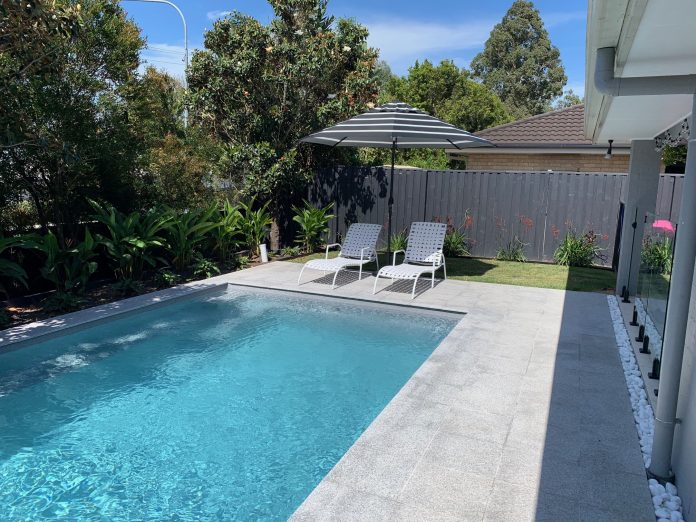
Spring in Australia is something pretty special. The moment the weather turns, the wattle blossoms, and weekends suddenly revolve around backyard BBQs, iced drinks, and getting the pool back to that sparkling sky-blue. But after months of sitting largely unused over winter, your outdoor taps, garden drainage, and pool setup need a solid once-over.
Allowing yourself to ignore the drips or waiting until it is summer before cleaning up the accumulated winter mess will quickly become a big problem. Water loss due to leaky taps and unattended hoses does more than squander vital water resources; in Australian homes, hidden property leaks account for over $10 million in unnecessary customer bills each year. Spending a little time prepping your yard in spring saves serious money and keeps your outdoor area ready for entertaining.
Here is everything you need to know to get your outdoor plumbing and pool completely ready for an Australian spring.
1. Inspect Outdoor Taps and Garden Hoses
Winter weather, even when mild, can take a toll on exposed brass taps and rubber hoses. Start your spring prep with a thorough perimeter walk around your property.
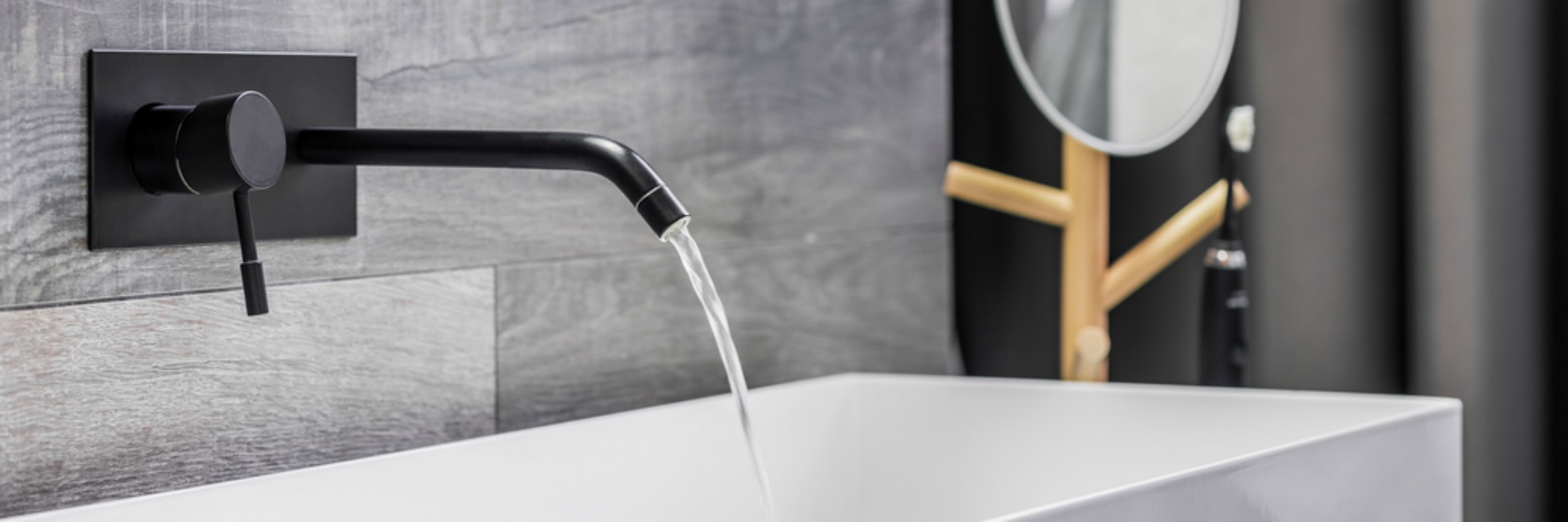
- Check Taps for Seepage: Turn on every outdoor hose bibb fully. Look closely around the spindle and outlet for steady drips or seepage. Worn-out tap washers are one of the most common causes of wasted household water.
- Inspect Hose Fittings and Nozzles: Check rubber garden hoses for fine sun-cracks or stiffening. Replace crushed quick-connect fittings and degraded O-rings so you don’t lose pressure when washing down the patio or watering the garden.
- Examine Exposed Pipes: Look at your copper or plastic pipes, which may be located against the outside walls or around garden beds. Keep an eye out for the green stains of copper corrosion or tiny cracks in the plastic pipes.
2. Wake Up Your Pool Equipment and Water Chemistry
For those of you whose pools have been covered or operated on a limited winter filter system, it takes work to get the pool clear again, not only mechanically but chemically as well. Here’s what to do:
Clean and Prime the Filtration System
First, clean out all the leaves and debris that have collected during the winter months from the skimmer baskets and the pump basket. Look at the O-ring seal around the top of the pump for any cracks. Put some lubricant on it, if necessary, and tighten it back down. Start up your filter pump and make sure that the water is circulating through.
Balance the Water Chemistry
Take a sample of your pool water to your local pool supplier or test it yourself at home with an accurate test kit. Pool water after winter rains usually has low salt content or an imbalanced pH level. The desired water levels are as follows:
- pH:2 to 7.6
- Total Alkalinity: 80 to 120 ppm
- Free Chlorine:0 to 3.0 ppm
Clean the Pool Basin
Before running your main pump for extended hours, clear out fine silt and organic matter clinging to the floor and walls. Using modern automated maintenance equipment makes this process effortless by scrubbing away winter buildup without cluttering your pool deck with heavy hoses or tangled power cables. Letting a dedicated cleaner handle the deep scrubbing protects your primary filtration system from becoming instantly clogged with heavy spring debris.
3. Clear Stormwater Drains and Roof Gutters
The beginning of spring in Australia is known for its torrential rains. If your stormwater drains or guttering systems are clogged up with dead leaves and twigs due to the previous season’s fall, torrential rains will create havoc within a very short period.
- Clear Gutter Runoff: Remove dry leaf debris from the gutters and downpipe intake points. Keeping the downpipes clear will prevent the water from the roof from spilling into the ceilings or around the house foundations.
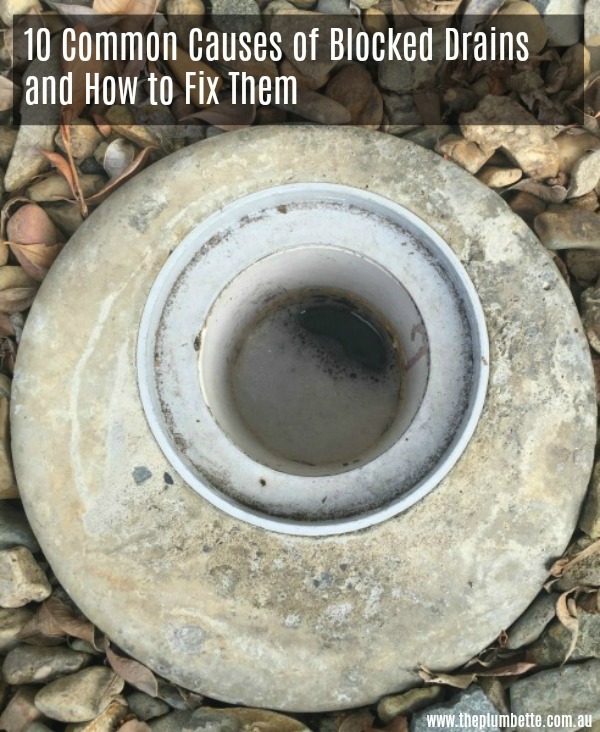
- Inspect Patio Surface Drains: Remove the metal covers from strip drains and patio catch basins. Remove any silt that has accumulated and use a high-pressure hose to flush out the line to make sure the water flows freely to the street/storm drain.
- Verify Backflow Valves: If there are any backflow prevention mechanisms or subsurface drainage pumps on your property, test them for easy functioning upon rising water levels.
4. Check Irrigation Lines and Garden Watering Systems
Before the heat of late spring sets in, test your automated garden irrigation lines, drip systems, and pop-up sprinklers.
- Flush Irrigation Lines: Remove end caps on drip lines and run the system for two minutes to flush out soil and insects that may have nested inside during winter.
- Adjust Sprinkler Alignment: Turn on pop-up sprinkler zones individually to check for broken riser heads, clogged nozzles, or heads spraying directly onto timber fencing, house walls, or paved walkways.
- Update Timer Batteries and Schedules: Replace the backup batteries in your irrigation timer or smart controller. Change the watering schedule from winter to account for the warmer temperatures, and be sure to follow your local council’s water restrictions.
Essential Spring Outdoor Checklist
For a reminder about your chores to be completed outdoors, please follow this checklist prior to jumping into that refreshing first spring swim:
| Area | Key Action Item | Primary Benefit |
| Outdoor Taps | Replace worn washers and O-rings | Prevents water waste and structural leaks |
| Pool Basin | Test water chemistry & scrub surfaces | Prevents algae blooms and ensures safe swimming |
| Drainage | Clear gutters, downpipes, and strip drains | Prevents backyard flooding during spring downpours |
| Irrigation | Flush lines and adjust pop-up nozzles | Ensures efficient garden watering without overspray |
Enjoy a Worry-Free Spring Season
The benefits of spending some time at the beginning of the season checking your outdoor plumbing, cleaning your stormwater drainage, and balancing your pool’s water will reward you in abundance. You’ll get away from the hassle of emergency repairs, keep your utility costs low, and get your backyard ready to entertain effortlessly throughout the entire season.
So, without further ado, get your taps running and your pool running, and enjoy everything that an Australian spring can offer.