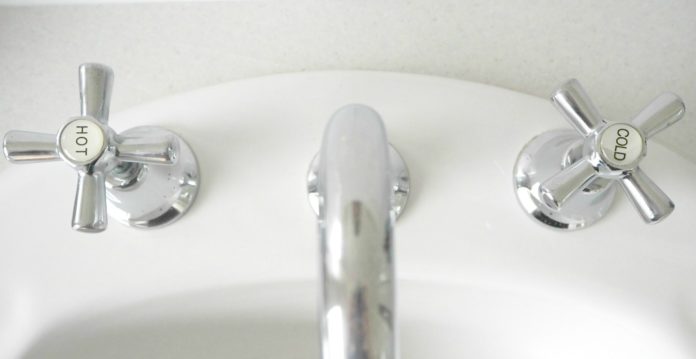
The tap buttons are the first item people notice when they wash their hands.
Over time they can fade or turn yellow. Replacing them is quite simple.
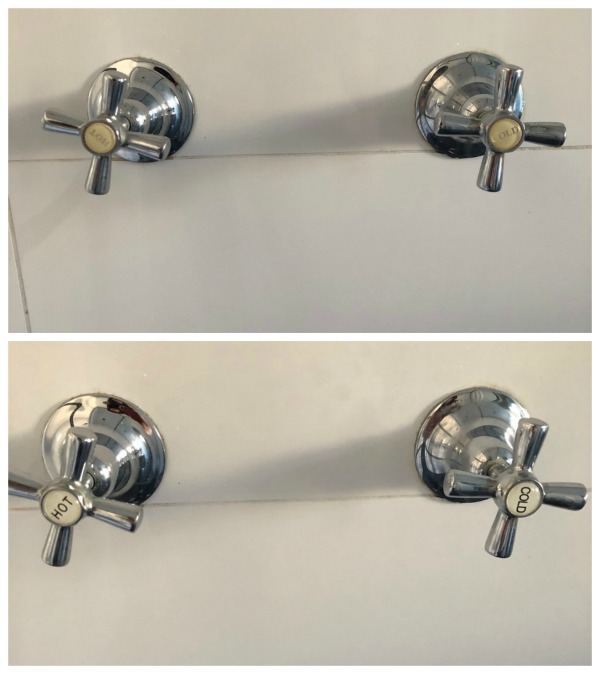
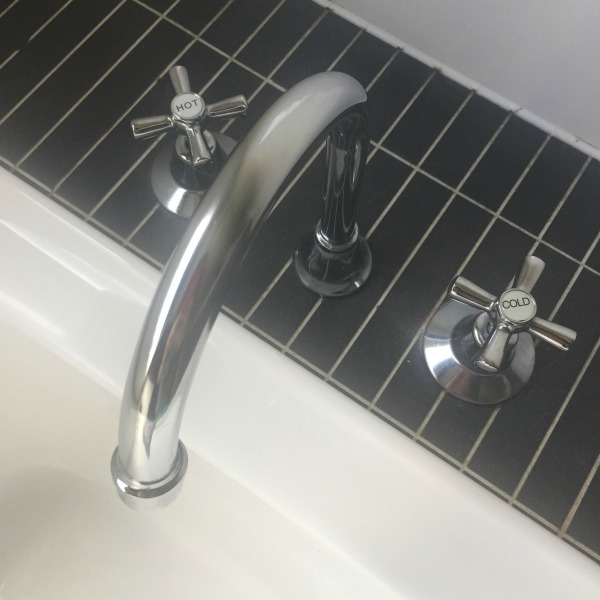
Before and After changing tap buttons on shower taps
Our main bathroom is used by guests and I like to keep it as clean as possible.
This can be a difficult feat when I have girls that like to squeeze more toothpaste in the basin than on their toothbrushes. At least toothpaste is fairly easy to scrub off.
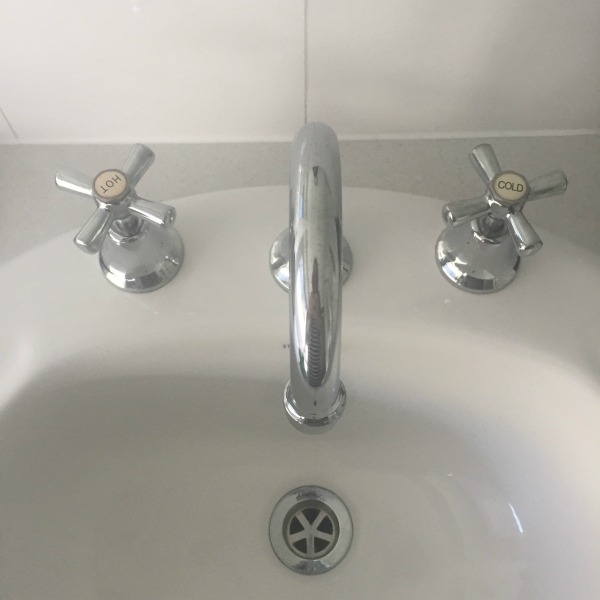
One thing that had been grating me a little in the main bathroom was the dis-colouration of the tap buttons on the bath and basin taps.
If there is one thing that can date the taps in your bathroom, it’s the discoloured white tap buttons that differentiate which tap is hot or cold.
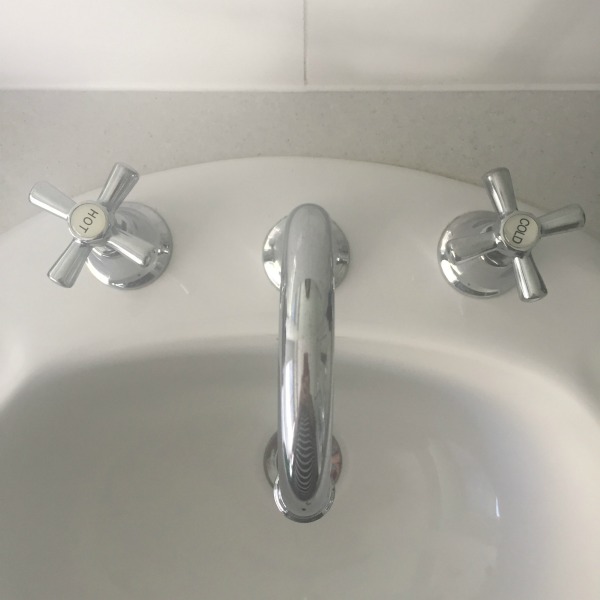
I changed the tap buttons and it’s lifted the bath and basin 100%. If you have similar taps to me, you can easily change the tap buttons yourself by purchasing the buttons from your local Reece plumbing store.
You will need to use a shifter to undo the tap button (turn shifter LEFT when loosening the tap button). When doing this use your other hand to hold the tap handle as the motion can turn the tap on. The buttons can be hard to loosen if they haven’t ever been removed.
The tap buttons simply unscrew from the top of the handle and the new ones can be re-screwed in. Easy.
Choose the right tap buttons
Check which size you need as the buttons can come in two depths – 5mm or 10mm. I needed 5mm for all of mine.
If you don’t know which size you need, measure your existing tap buttons to find out.
My leftover yellow buttons would normally be upcycled into cufflinks, which I used to do many years ago as part of the blog.
Anyway, I digress, if your buttons are looking a little worse for wear, go and replace them.
It’s an easy job you can do, and will make a big difference to your bathroom. Make sure you put the hot button on the left and cold button on the right when facing the taps. I have been to homes where the buttons have been inserted on the wrong tap.
Before you get new buttons, take the old buttons out first and take them with you when you purchase the news ones to ensure the new ones will fit. There are some buttons that are red and blue and may need the same buttons to be replaced.
It’s the most smallest detail that can make a big impact.
Have you done anything around your house this week that has made a big improvement on the interior of your home?
Last night, we decided to celebrate in style by having a date night picnic in the living room.
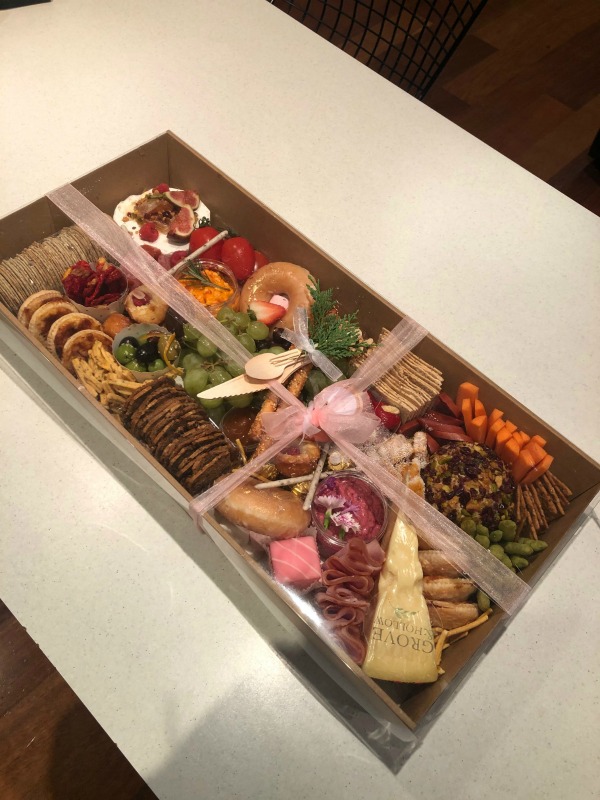
The girls helped to set the scene by vacuuming the floor and setting up the coffee table, ready for the grazing box Jacob had organised from Grove and Hollow.
I didn’t want to dishearten their efforts with setting the cutlery on the table, knowing it was going to be a night of grazing with our hands.
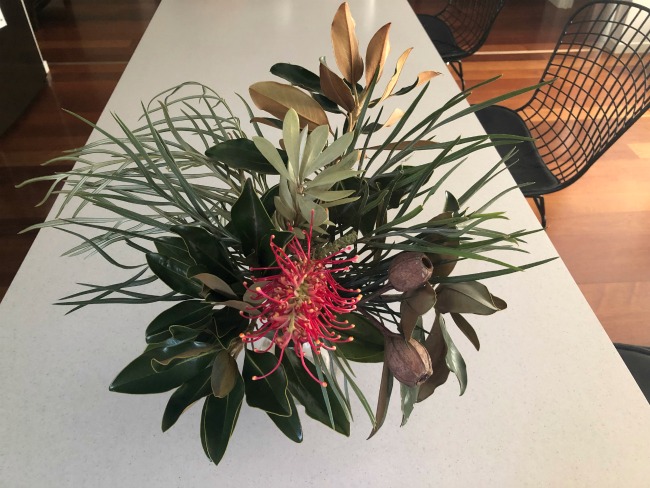
The native floral arrangement was collated on our usual walk around the block and the ‘yay’ napkins from a previous Birthday party. The hessian tablecloth was a piece of cloth I had used for a styling project a few years ago. And tea lights make everything special and romantic.
We got the grazing box delivered at 5pm to ensure it’s freshness for our dinner. It was a contactless delivery, placed at our front door. The box was so beautifully presented and I couldn’t wait to dig in.
But we waited until the girls were given their dinner and were put to bed with iPads (a very rare event) so we could enjoy the platter.
Our grazing box had a mix of sweet and savoury. We didn’t finish it and had some for lunch the next day.
The girls did come out at around 8pm to see what was left. They enjoyed a few quiches and of course the marshmallows and Ferrero Rocher chocolates.
Our grazing box cost $135 including delivery. You can get smaller boxes, but Jacob chose this one due to the selection it included.
It’s certainly not going to be the last time we order a grazing box. The presentation was awesome and that made it all the more special for our anniversary.
Ever had a date night picnic in the living room? How have you celebrated special milestones in isolation?
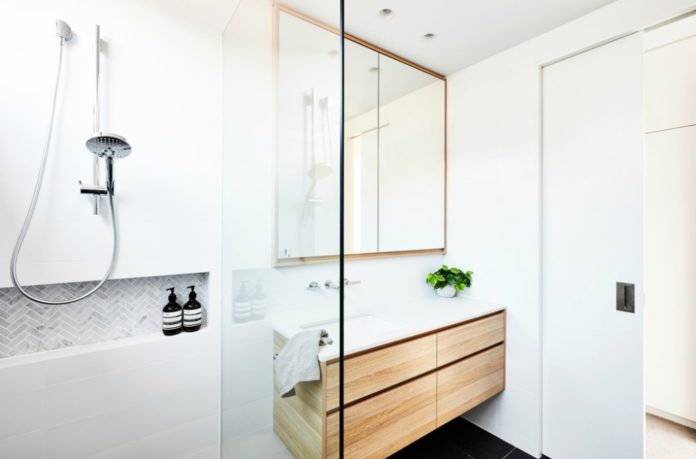
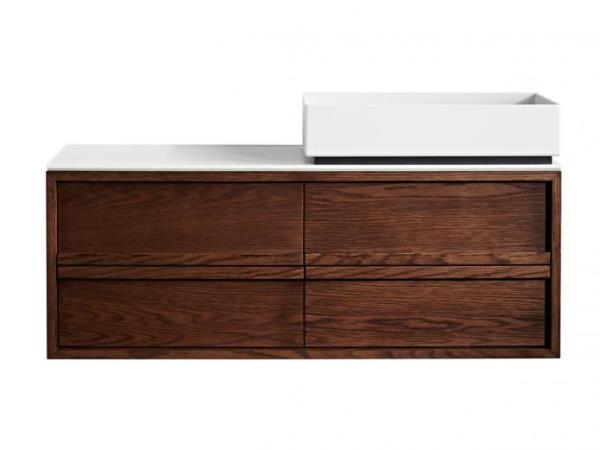
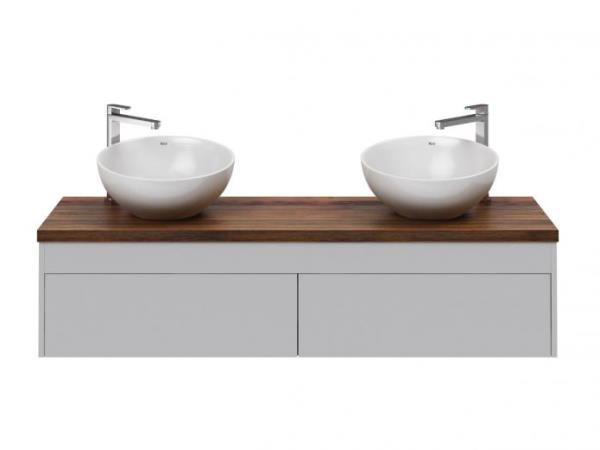
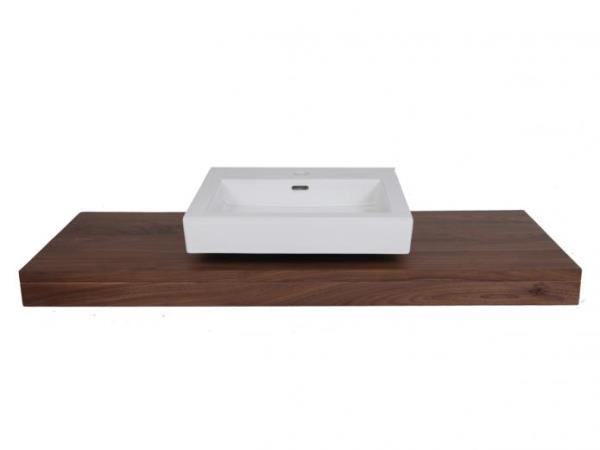
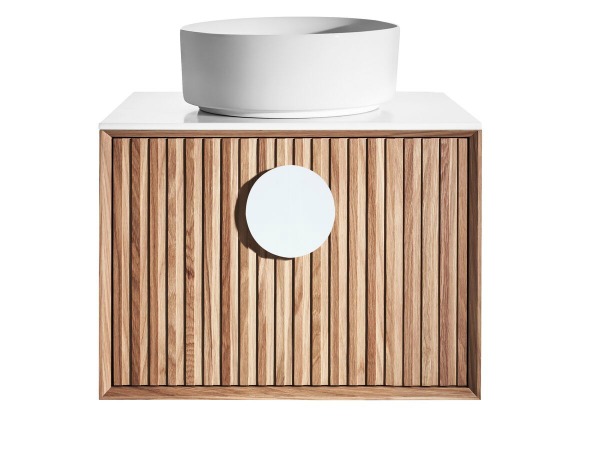
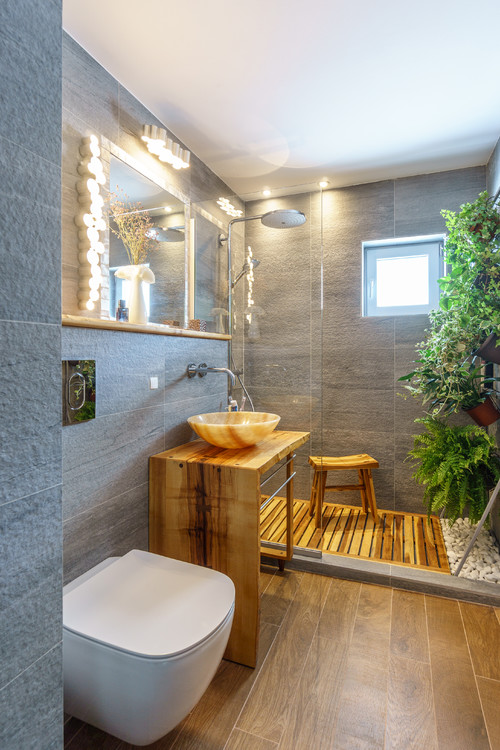
Bathrooms with a timber vanity unit evoke a warm atmosphere and are a great way to introduce a natural element to the space.
While I love the look of timber in the bathroom, I’m also cautious of using this material as a vanity because water and timber don’t mix.
Even if the timber has been treated to withstand moisture (which most are) the water can penetrate the protective coating if not wiped away.
To make any timber vanity unit work in a bathroom it needs to be
Well treated
Regularly maintained and recoated for water protection
Regularly dried when splashes occur to prevent water damage
Cleaned with a mild, non-acidic and non abrasive detergent and soft cloth
Plumbers are always the best to ask which vanity material lasts, as they regularly go back to fix tapware. I can guarantee most plumbers will agree timber vanity units will age and get water damage if they’re not looked after well.
If you absolutely love a timber vanity unit in the bathroom, opt for a different benchtop which is hardy to water (manufactured stone, laminex etc). This can keep the vanity itself protected. It’s an ideal solution for family bathrooms.
I can’t help but love seeing timber in a bathroom though. I’ve sourced some gorgeous timber vanities from Reece and Roger Seller, most are a veneer as these can offer better protection from water damage.
Alternatively, you can convert a buffet or drawer unit into a vanity. Sometimes these can be more affordable and come in a better right size for your bathroom.
The problem with many home update projects is they require spare cash to do them and right now for many people, cash is limited.
But changing the inside of the house is as good as a holiday and since none of us can go on a holiday right now, these changes can make a positive impact to our homes, and our mental health.
Here are 5 free home update ideas to change the interior of your home. They are simple in execution and you will most likely have everything in your home to achieve them.
5 Free Home Update Ideas
1. Declutter and tidy your living areas
The best way to change a room is to get rid of the clutter. Tidy bookshelves and clear benches can make a world of difference to your home – and your mind.
2. Clean the high traffic areas regularly
Cleaning removes grime and this can change the feel of a home. It’s amazing how much light can come through windows after they’re cleaned, or how vibrant furniture can look after it’s been dusted and polished.
Cleaning products and materials do cost money, but most households incorporate these expenses as part of their grocery budget.
A rare sight of my clean kitchen
Look for pantry staples which can reduce your cleaning costs. You’d be surprised at how much you can clean your house with basic white vinegar and bi carb soda.
Keeping the high traffic areas clean can make a difference to the overall look of your home.
3. Swap the throws and cushions, room to room
Soft furnishings are the first items we get drawn to in a room, so changing these can instantly update a space. If you use throws and cushions around the home, swap them from room to room. The difference will update each room instantly.
4. Change pillowcases in the bedroom
Changing all the bedroom linen can be an expensive exercise, so collect new pillowcases instead. Changing the colour of your pillowcases with ones you already own can surprisingly alter the look of your bedroom.
Opt for patterned pillowcases like floral and leopard print and intermix these with your existing bedlinen. Initially, there is cost involved to acquire more pillowcases. But if you’ve bought sheet sets over the years, you may already have a collection to choose from.
Next time you need to update your pillowcases, instead of choosing white, choose a different colour or pattern.
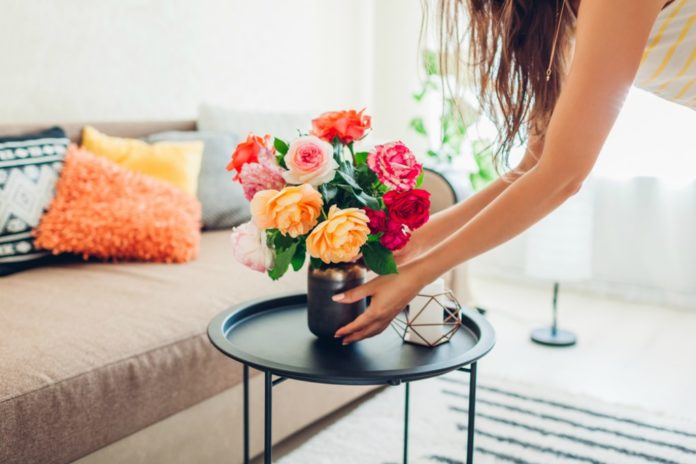
5. Display a bouquet of flowers or greenery from your garden
How inviting does a home with a vase of fresh flowers feel? Despite it being autumn, the garden is plentiful with greenery and some flowers, which can be turned into flower arrangement.
If you don’t have flowers, use whatever you do have in the garden. An arrangement of greenery can add colour to the dining room table.
Make an Australian Native Floral Wreath for Anzac Day this year. It’s a simple way to commemorate the Australian and New Zealand Army Corps soldiers who fought and died for our country.
Anzac Day is certainly going to be different this year, with no services due to COVID-19.
We would usually head to the Salisbury RSL service to remember the Anzacs. It would also be a chance for us to see dad play his bugle.
Instead, at 6am, he will be playing The Last Post on his driveway.
During the Anzac Day service there would be readings, memories shared and hymns sung. There would also be the traditional laying of the wreaths.
Just because we can’t get to a service this year, doesn’t mean we can’t take time to remember and have our own time of silence.
Why not make your own wreath to lay on your footpath as a sign of remembrance?
Australian Native Floral Wreath for Anzac Day
Materials
All you will need is
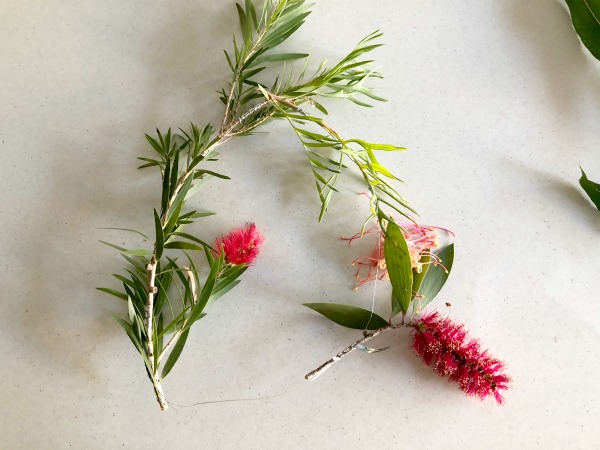
Australian native branches and flowers – any that you can find in your garden
Wire
Twist ties
Instructions
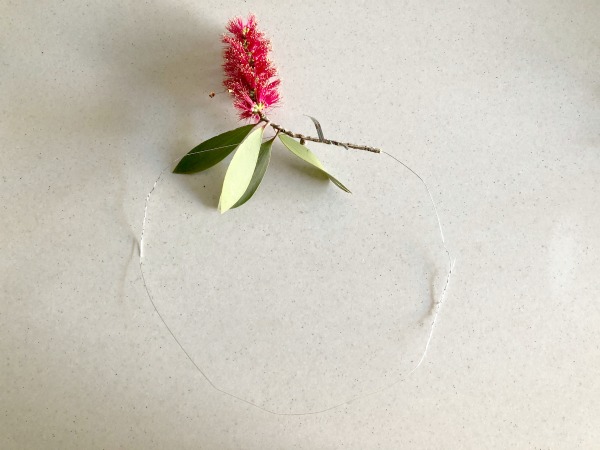
Twist the wire into a circle. I used two pieces of wire.
Curl the branches around the wire and use the twist ties to secure in place. Keep layering your leaves and flowers around the wire. It doesn’t have to be perfect. As you weave the branches, use the time to remember.
Tips
The Bottle Brush branches are easier to manipulate into a circle so use more of these.
Use any colour ties you have. Use pipe cleaners or tape if you don’t have ties.
If you don’t have any wire, use a wire coat hanger. Alternatively you could just tie all the branches to each other to create the wreath.
When can you do your own plumbing work? It’s a question asked when plumbing jobs mount up and the budget is tight.
While it can be tempting to fix a few plumbing jobs around your house, plumbing is a licensed trade. Only those with a license should be conducting plumbing work.
A plumbing license ensures the work is done to a standard to protect the health of yourself, your family and the community. The right water has to go through the correct channels.
With that said, there are plumbing jobs which you can do yourself. These minor repairs won’t land you in hot water. However, they could change at any time and each local council, shire and state will have relevant laws which may differ.
Using the correct tools and know-how, you can save some cash for the future call out when a licensed plumber is your only option.
Clear basin, shower, sink drain using natural methods
Clean and clear a blocked gutter, downpipe or garden storm water grate
Maintain irrigation system downstream from isolation tap
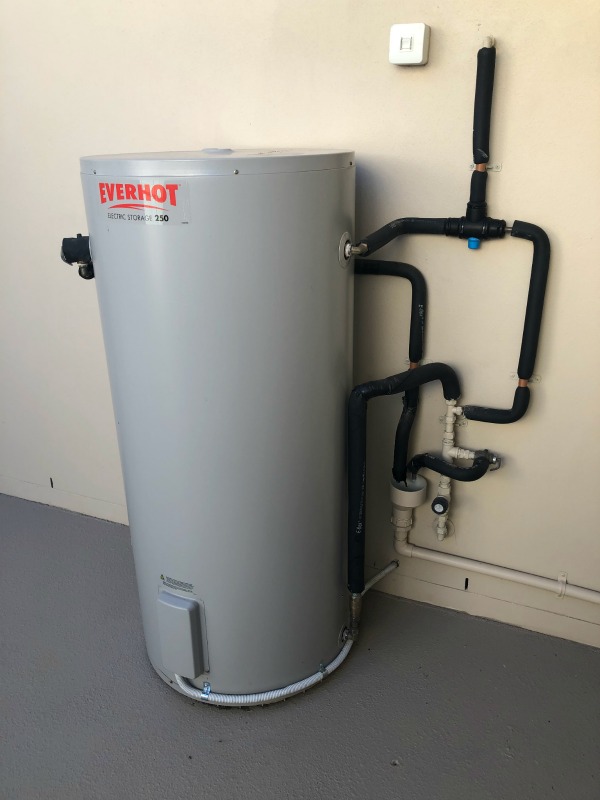
Turning water on and off to hot water unit and at the water meter
Change tap buttons, handles and flanges on hob mounted taps
Connect hoses from washing machine to existing hot and cold taps. Do check your warranty on new washing machines and dishwashers before installation though.
What can happen if your disregard the plumbing laws in your state?
Any damage caused from your installation can not be claimed with insurance. They too are governed by the laws in place.
Appliance warranty will be voided.
Loss of time cleaning up the mess. Costs of replacement and installation to fix damage.
Mismatched materials if existing flooring or cabinetry is no longer available.
Minimum $32,000 fine when unlicensed work is identified under Plumbing and Drainage Act 2018.
Delay in the sale of a property when conveyancing checks find unlicensed work due to change in lodged plans versus existing site plan.
When to call a Licensed Plumber
If you need to touch pipework, change drain positions, connect into a water line or install a new appliance, these must be done by a licensed plumber. There are no exceptions.
The best way to get all those niggling plumbing jobs done is to make a list and get them fixed in one call out.
As much as the list of what plumbing you can do, may look simple, often it can be less time consuming getting a plumber to do them for you. Especially tap washers or the drop valve washer in a cistern. Not all cisterns have the same configurations and you could waste time and money getting the wrong part or installing it incorrectly.
There are many benefits to starting a home vegetable garden. The main advantage is the produce, which can help with family meals. But others include time spent outside, the nurturing impact on our physical and mental health and it’s a productive hobby which can give a sense of accomplishment.
We have had great success with our own home vegetable garden over the years, although we did let it lapse as it does require time to water and manage.
With many of us isolated at home, now is the perfect time to set up a home vegetable garden. Here are my 5 tips to getting set up so you can produce a successful harvest.
1. Choose the right location
When you set up your vegetable garden, choosing the right location will be key to its success.
The area will need good sunlight; be protected from wind and pests and not be in an area where it could flood.
You will need to set up your vegetable garden in an area which will get at least 6 hours of direct sunlight per day. The more sunlight your vegetables receive, the better the harvest.
When we first purchased our house, the kitchen side of our home received the better amount of sunlight. The location was also easy to protect from pests (our dog) and accessible from the kitchen.
Over the years though, our neighbours lilly pilly hedge has grown, keeping part of that side in the shade.
Consider all aspects of the location where you intend to grow your vegetables. Think about future impacts like trees and hedges which could block sunlight. Also think about the land slope and whether it’s prone to flooding during a heavy downpour.
2. Select the right vegetables
It’s important to plant vegetables in the right season. There are some vegetables which will grow all year round. We’ve had great success with tomatoes, lettuce, cucumbers and herbs like chives and mint.
But there are vegetables which will flourish in the winter months so research which ones they are. There is no point buying seeds to plant in the wrong season. They won’t grow and you will be disappointed with the outcome. You usually can’t buy seedlings out of season.
My preference is always to buy seedlings as I’ve had better success with these than seeds. But seeds are cheap.
By taking into consideration what our family eats, the space in our gardens and stock available, we have planted the following for our winter harvest.
Tomatoes
Lettuce
Rocket
Broccoli
Snow Peas
Silverbeet
Spinach
Watercress
Basil
Rosemary
Parsley
Thyme
Mint
On the other side of our house, we have fruit.
Orange Tree
Lemonade Tree
Mandarin Tree
Avocado Tree
Strawberry patch
We have spare space along the side of the house and we’re looking to plant potatoes, carrots, onions and some other root vegetables.
3. Use the right soil
You can manage the soil in a raised garden bed to ensure its right for your seedlings. But if you choose to plant in an existing garden, ensure you have soft soil as this allows for the roots to penetrate easily.
The type of soil you have in your yard will most likely determine if garden beds are a better alternative. I personally think this is the best option for most home yards. It’s also better on the knees and back.
Ensure your soil can drain well and is nourished with nutrients from compost. To get the right soil, look at the recommendations on the pack or ask your local garden center to deliver their recommendation.
4. Get the planting right
It’s important to space your planting right. Don’t bunch seeds or seedlings together. Remember they need space to grow. If they are planted too close together they will compete for water, sunlight and other nutrients.
Companion planting is definitely a term to research when you plant your seedlings. The method behind companion planting is the two plants will offer benefits to each other so they can successfully grow. For example, one will attract the bees, while the other may repel pests.
There is limited information on companion planting with vegetables and there is skepticism on its success. It’s worked well for us over the years.
Some common companion planting combinations are
Tomatoes and Basil
Broccoli and Mint
Lettuce and Carrot
Spinach and Peas
It’s also good to know which plants don’t like to be planted near each other.
Once planted, cover the soil with mulch. This helps keep the nutrients and water in the soil.
5. Water regularly
You don’t want to over water or under water your vegetable garden. Monitor the growth regularly and water every second day. During hot days, watering everyday will be needed.
Every fortnight, use a seaweed solution like Seasol to add nutrients for the vegetables to grow. This helps increase the yield and quality of the vegetables.
This photo was taken 6 years ago and shows the harvest and the seaweed solution we used.
The main reasons why many home vegetable gardens fail is due to lack of time and attention. You’ve got to be committed to maintaining the garden to get the rewards.
Home grown produce from our vegetable garden
Involve the kids in maintaining the garden as it gives them an understanding of where their food comes from. It also gets them outside and their motivation may keep you accountable to maintaining it.
Do you have a home vegetable garden? Got any tips to share?
If you’re new to my blog, I’m doing a series of posts sharing what home maintenance I get up to each month. This was the home maintenance we got up to in March.
March was a month which took everyone by surprise at the sheer impact of coronavirus. This was the month I got little done because of work and work trips. It was a month where the breaking news was one dire report after the other and it rendered me exhausted.
The home maintenance in March was not a lot, but I have no doubt it will increase in the coming months. Or maybe it won’t because I’ll be homeschooling my kids.
Home Maintenance in March 2020
Replaced Garage Door Rod and Motor
After 15 years of use, the motor on our garage door decided to pack it in. We got good years out of it as they usually have a lifespan of 10-12 years.
I rang Centurion Garage Doors and they had someone out within the hour. $715 later and our garage door was fixed. I also now have a panel on the wall so I can press the button as soon as I walk into the house. For 15 years, I’ve been pressing the button on the motor to bring the roller door up and down.
Did you know you should get your garage door serviced annually? I didn’t! I need to add this to the annual home maintenance checklist. You should unhinge it from the motor from time to time to see where the door balances as it starts to shut. This shows if the springs still have spring in them.
Pruned Lilly Pilly Hedge
The lilly pilly hedge started to disperse in March and our whole right side of the house got covered in yellow.
It has since been trimmed.
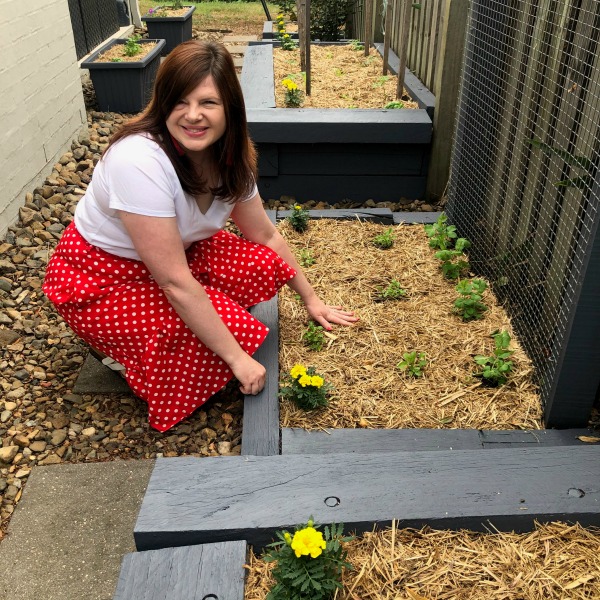
And our neighbor cut it right down which allowed us to get our veggie patch sorted over the Easter long weekend. It is looking fabulous and I will share that in my April Maintenance post ;). There was no point doing our veggie patch until the hedge was trimmed.
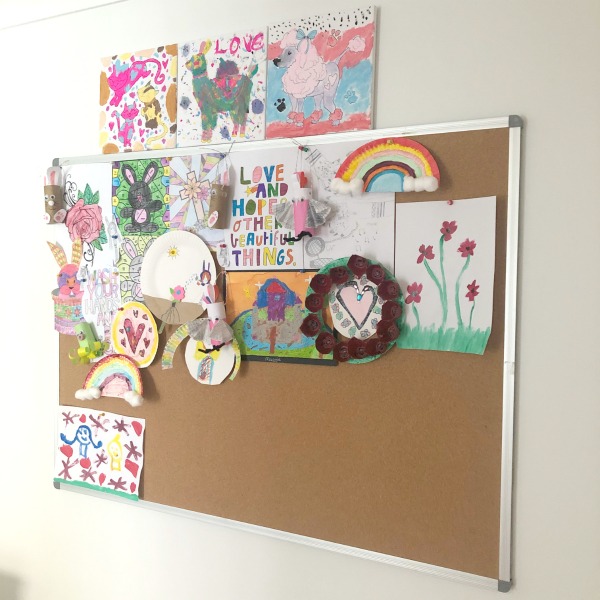
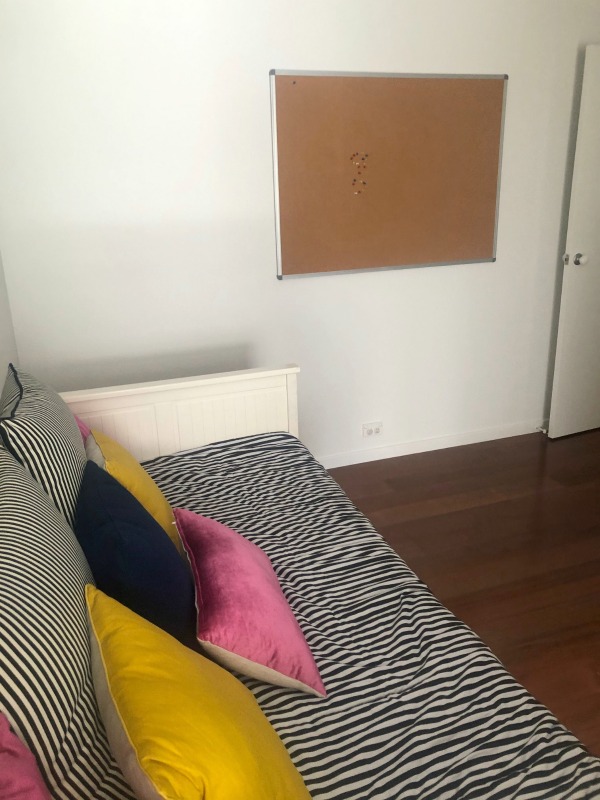
Set up Cork Board in Play Room
After removing the cork board and painting the play room, I had decided not to reinstall the cork board.
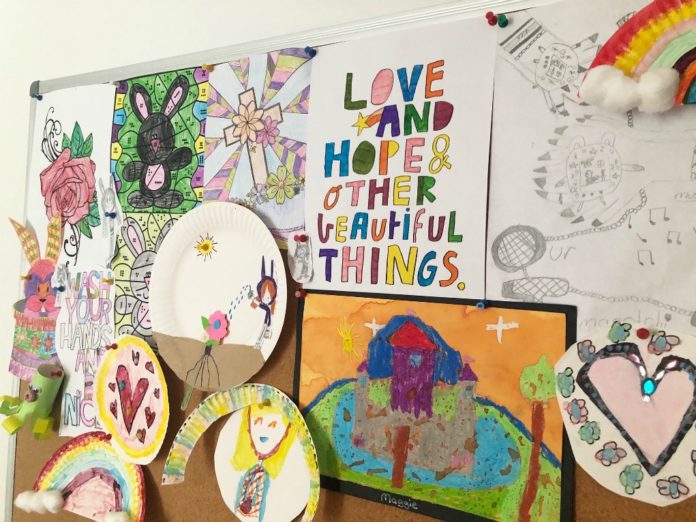
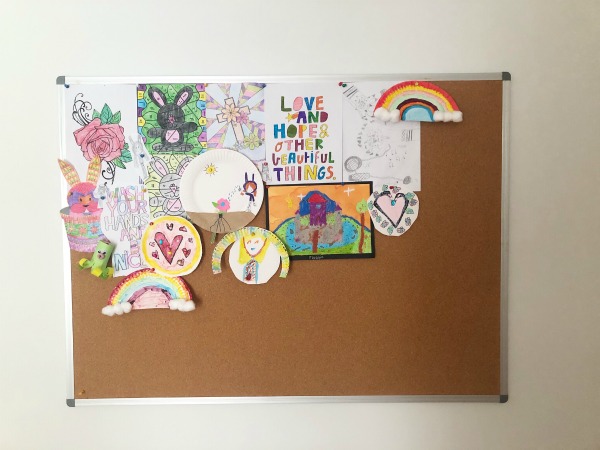
It’s slowly filling up and makes me smile each time I walk past it.
So March wasn’t a huge month on the home maintenance front and I don’t know how much we will get done in April. I do have plans painting the bathrooms and the front feature wall in our home. Slow progress is still progress though isn’t it?
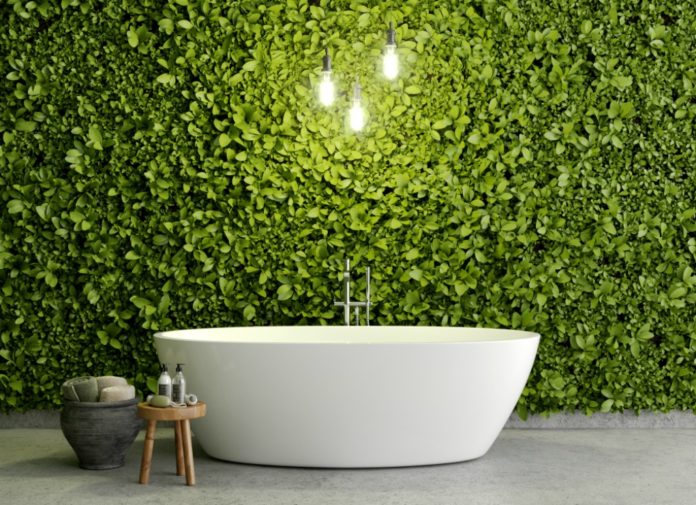
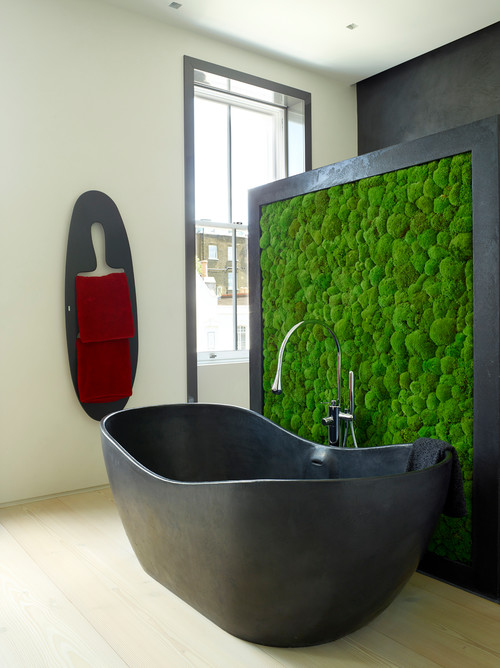
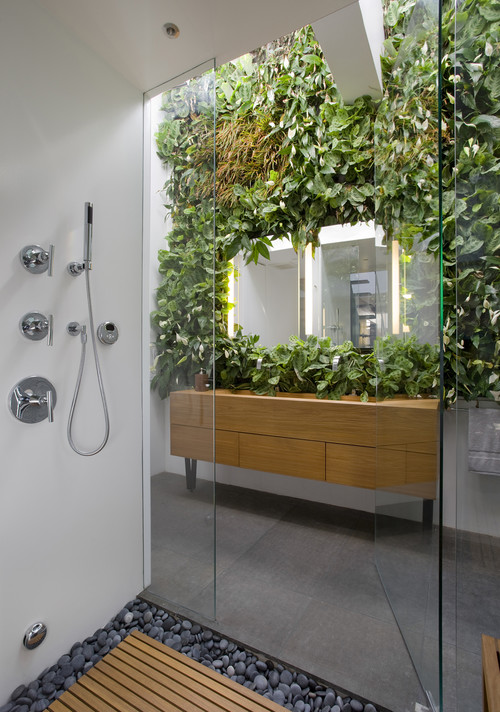
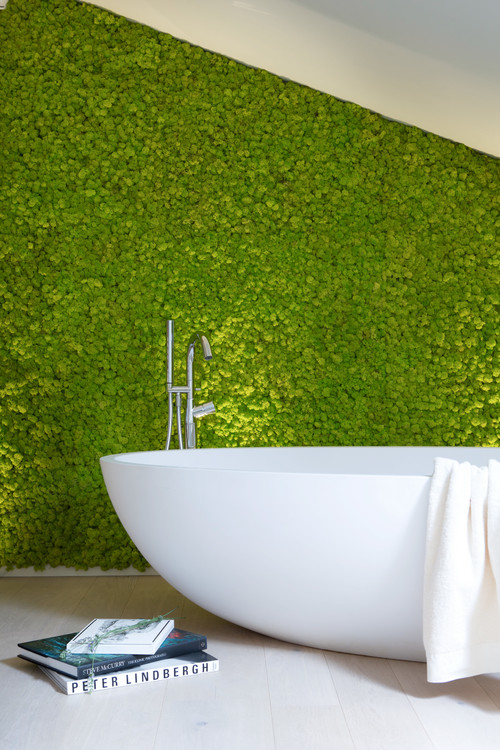
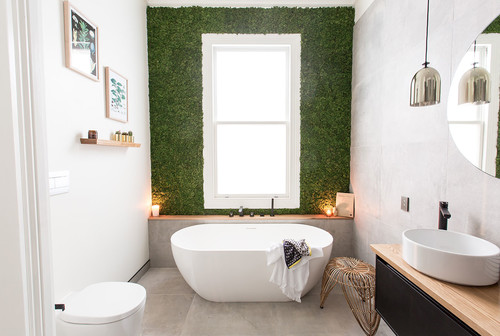
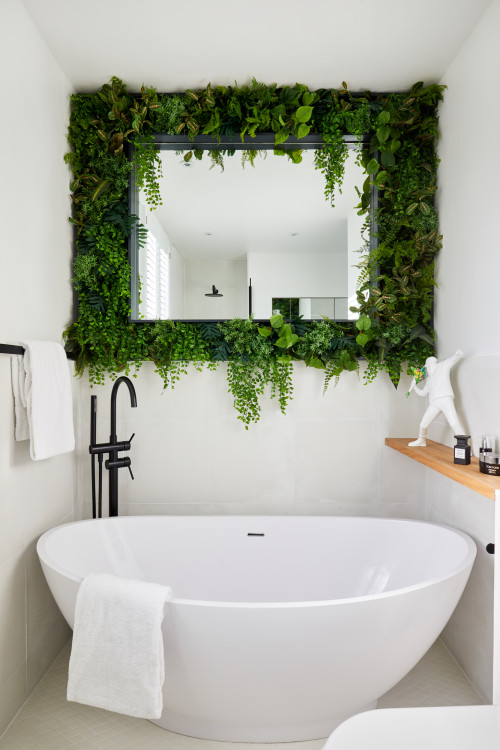
Living wall vertical gardens in bathrooms deliver a stunning focal point. With the increase of biophilic design in architecture, it’s only a natural progression for it to be incorporated in our residential living spaces.
We’ve seen the increase of plants in our homes and no space is complete without greenery of some sort.
The same can be said for bathrooms. The impact of plants in a bathroom room can immediately elevate the space. The tiles may be an ugly shade of peach from the 60’s, but add a plant and the bathroom becomes modern retro.
What is Biophilic Design?
If you’ve never heard of Biophilic Design, don’t worry, I hadn’t either. But you most definitely would have seen it in your local upscale café or your renovated urban high rise.
Biophilic design is when natural materials are integrated into a modern built setting. It’s the incorporation of nature (like plants) and natural materials (e.g. wood) in the design. When the natural meets the built environment, it connects the dweller to nature and is said to positively impact the health and wellbeing of those who live and work in those spaces.
Living wall gardens in bathrooms is an example of biophilic design. While it’s not going to grace every renovated bathroom in the future, it’s definitely a feature to consider if you’re after wow factor in your bathroom. It also needs to be a feature carefully chosen as it will need to be regularly maintained.
Benefits of living wall vertical gardens in bathrooms
Clean lines and blank walls can offer much needed space to a bathroom. But bringing greenery into a small space can offer the following benefits
Brings the outdoors in when confined inside
Offers colour to a bland bathroom interior
Can improve air quality and increase oxygen
Can offer insulation qualities in the bathroom keeping it cool in summer and warm in winter
Nurtures creativity and offers a hobby for nurturing gardens
The best plants for a living way in the bathroom are going to be ones that can survive on little light, humidity, and require little maintenance. The following plants are recommended for living walls in the bathroom.
Devils Ivy
Ferns
Potus
Philondren
Bamboo
Orchid
Aloe Vera
Creating your Living Wall
Your living wall ideally needs some light and needs to be accessible. You can purchase irrigation pockets or create your own vertical garden bed with your builder. Alternatively, you could create a shelving network to hold overhanging plants to get a similar effect.
Watering frequency will depend on the types of plants you choose. You will need to be prepared to replace plants if they perish. The cost of this maintenance certainly needs to be considered when installing a vertical garden in the bathroom.
Consider a half wall vertical garden as this will limit the cost of the plants when initially installed.
Here are some fabulous Living Wall Vertical Bathroom Designs to check out.
Home decorating for Easter can be a full on affair or just a few simple eggs and bunnies added to your interior.
I never got into Easter decorating until we had kids. But it’s a tradition I get into it each year because it temporarily changes the home in anticipation for the new season of autumn.
I use the same decorations each year, but display them differently depending on how I’m feeling.
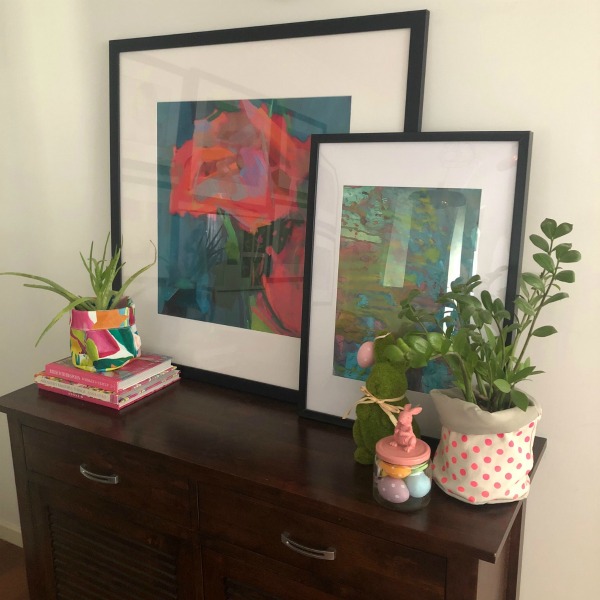
This year, I’ve got my centerpiece, a few egg decorations hung from plants around the place and a green moss bunny, which balances all the colour.
I don’t put chocolate eggs out until Easter Sunday because they NEVER last! Not in our house anyway.
The main culprit is me! I just can’t stop at one egg. I have to have a few. Or the whole packet. Oops.
The girls and I have done a few Easter crafts. We even did a video for work to show how to make Easter Egg Flowers, turn an empty toilet roll into a bunny and make a bunny whiskers and nose prop.
The ebb and flow in our house during Easter has been one of chaos with craft supplies everywhere, and then one of calm with a clean and spotless kitchen. We roll from one thing to the next to keep ourselves entertained.
Messy kitchen from doing Easter craftA picture of a clean kitchen in it’s rarity
It just so happened all my shifts for work fell perfectly so I could have 6 days off over Easter. But Jacob has been working overtime so it worked out for me to be home with the girls over this time.
Tomorrow we will wake to see what the Easter bunny has delivered, eat hot cross buns for breakfast, attend church virtually and then have an Easter egg hunt in the house. I’m looking forward to it and so are the kids.
Do you decorate your home for Easter? What Easter Home Decorating do you do?
Whose voice are you drawn to when there is panic? When there is fear? When everything feels so heavy and hopeless?
I remember feeling all those feelings at once a few years ago.
It was stressful and burdensome. I felt like a failure because a number of things just weren’t working out.
That stressful time was a catalyst to change how I worked. But it took time to change my sails. I changed who I listened to because there were some voices who delighted in my misfortune.
The thing is when you change or start something new, everyone will have an opinion on it. Some of it is helpful, some of it comes from jealousy.
Opinions can come from a heart in the right place, and yet others from a dark place of lost dreams and disappointment. Who you follow and listen to matters in a crisis because it will either propel your forward, or cower you in a corner.
If I listened to the opinions of others throughout my life I wouldn’t have become a Christian, a wife, a plumber, a mother, a blogger, a writer and various other hats I’ve swapped and changed over the years.
If I listened to the opinions of others, I would have missed out on the best moments in my life.
Yet some opinions have also saved me from making terrible decisions which would have altered my life. It takes wisdom to know which opinions to listen to and which ones to abandon.
Who you follow matters because their opinion is the one you will listen to in times of crisis.
When jobs are lost, finances are dire, health is worrisome and loneliness is a daily experience, you’re going to crave a voice of wisdom who can calm the storm inside you.
Can I suggest you sift through your social media accounts and be ruthless in unfollowing opinions which aren’t helpful. If the memes are constant woe or you find yourself being continuously recruited into someone’s pity party, wisely decide if your presence is helpful, or if it’s causing more harm to you.
Social media can bring out the best and the worst in us. Question the purpose of what you view. Your mental state is so important right now.
The opinion I’m craving right now is Jesus. Not religion. Just Jesus.
I need his constant direction to know what to share on this blog, who I need to send an encouraging word to and to open my eyes beyond my current circumstances.
His opinion matters to me because He loves people. Had he not, he wouldn’t have given up his life for you and me.
I will give weight to the opinion of a man who put his life before others. I also give weight to opinions rooted in faith, rather than worldly wisdom. Again, it takes Godly wisdom to know the difference between the two.
To help you during a crisis, listening to faith filled words will uplift you. It certainly has for me.
If the thought of walking into a church has made you uncomfortable over the years, now has never been a better time to church hop from the comfort of your living room. Or your bed. With services streamed online, you can feed your soul with Godly wisdom and faith. Just Google search a church near you and check out their Facebook page or website.
Maybe this Easter Sunday could be the start of a new tradition where you feed your soul with hope. Where for the first time, you listen to the opinion of someone who has always held you in high regard and loves you passionately; whose words and plans have ALWAYS been to give you hope and a future.
Who you follow matters in a crisis, because it’s the voice you will listen to during a storm. And you want it to be a voice which will guide you, unhinged, as you navigate every aspect this crisis throws at you.
Create a visual journal of crafts made with your kids at home in isolation. The cork board craft display will be a tangible visual reminder of the fun you got up to with your kids.
We’ve had our first week and a bit in isolation due to the QLD government announcing a pupil free week before the Easter school holidays.
I know this has not been the case for other states. Some have been doing home school. It’s been a crazy juggle for parents as they manage working from home, while ensuring kids are… occupied and learning. It’s not easy.
But, I decided early on if the kids were to stay home from school, I would do fun things with them. Can I just say it takes discipline to do this, when you have a long list of things that need doing. I am grateful that I can work at night.
By removing the pressure from myself to do all the things during the day, it resulted in a pleasant week. Last week was full of crafting, baking, indoor scavenger hunts, games and teaching a few chores or two.
I remember when there were three kids at home and the days would seem to go on forever. I’d also be frustrated at trying to fit work in during the day and I would resort to working early in the morning or late into the night.
To give some routine to our day, we would start our morning with a fun craft (which I’d share on Be a Fun Mum and fill the day with a lot of snacks, reading, chores and any work I could squeeze in between.
I’m finding this time round of having 3 kids at home a blessing. It could be because they’re older and a bit more independent.
I remember reading somewhere we only get 18 summer holidays with our kids. And when they go to school those years and the holidays seem to fly.
I’ve seen this first week in isolation as an extra week of having them home. An extension, if you will, of the 18 summer holidays which are now down to half that amount because my kids are older.
There will be a day when the girls won’t want to do craft anymore, so I’m making the most of this time together. And I’m going to cherish it.
One of the rooms in our house which we have wanted to update this year is the playroom. We’ve halted on our update as we need to order artwork and a rug.
We used to have a large cork board in the playroom displaying all the kids Kindy craft. I kept some of the favourites and binned the rest earlier this year while preparing the room to be painted.
The cork board had been sitting in my office and I was adamant it wasn’t going back into the playroom.
And then coronavirus disrupted our life. My mum tagged me into a Facebook post to get the girls to write a journal about their time in isolation.
The journal idea gave me inspiration to get the cork board back into the playroom, but this time curating all the craft made during our time at home.
Each day if we colour in a page or make a craft, we add it to the wall. It probably doesn’t look amazing right now, but when it’s filled with paintings and drawings and toilet roll creatures, it will serve as a reminder of this time in isolation.
Jacob got our cork board custom made a few years ago as it was a wedding anniversary gift. Cork was the anniversary gift of choice that year.
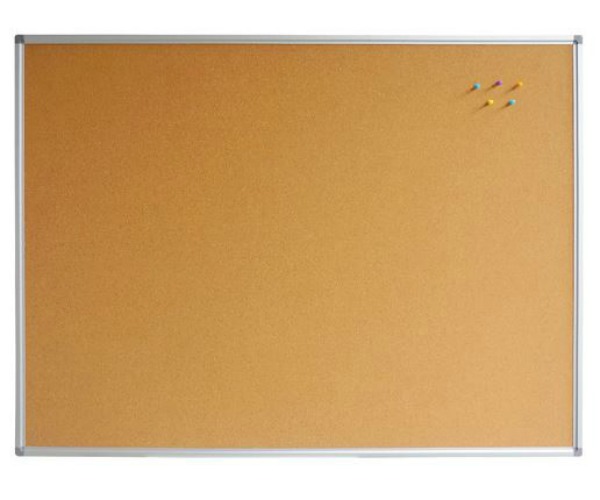
If you want to create your own cork board craft display, here are some available online.
The ones with the * are the ones I receive a commission on if you purchase. It costs you nothing more, but the sales of these help me keep this blog going.
If you’re after some fun colouring pages or craft ideas to make, here are some links to check out
I don’t know about you, but I’ve had to change the way I grocery shop. With panic buying leaving shelves empty, the non-perishables have been in demand. I asked my friend and Nutritionist, Samantha Barnett, to share which nourishing non-perishables are best.
To say the Coronavirus has had somewhat of an impact on your usual routine is an understatement.
With gyms closed, kids home schooled and pantries bare, it is becoming ever more difficult to look after our own health in this much needed time.
Many of us are turning to not so nutritious options to fuel our stress driven cravings, fueling pathogens such as viruses and making us more anxious and fatigued. It is only natural instinct for the body to seek out these foods in times of stress.
When it comes to nourishing our body throughout this crisis, although convenience and non-perishable snacks rank high on the list for many, switch those store-bought cookies and potato chips to nutrient dense snacks such as: –
Nuts or nut butters;
Homemade trail mix including a combination of nuts and seeds. Try adding spices and a few bits of dark chocolate or toasted coconut for more satisfaction;
Whizz up a batch of bliss balls or raw slice on the weekend and fill the freezer.
These options are packed full of fibre, protein, quality fats and a range of nutrients. With slow releasing energy, they will keep you satisfied for much longer.
Nourishing Non-Perishables
There are many other nourishing non-perishables to focus on, including: –
Oats – A great source of prebiotic fibre, feeding the good bacteria in our gut where much of our immune system lives. Think overnight oats, porridge, muffins, muesli bars, cookies or even added to meatballs instead of breadcrumbs.
Freezer produce – Such as bananas, berries, avocado, kiwifruit and spinach to add to smoothies, a great way to get nutrients into the body. Frozen vegetables (if you can get your hands on them) are also are great addition to add to any meal to bulk it up.
Pulses (canned or dried) – Brown lentils for example, are a great source of complex carbohydrates, vitamins and minerals and can be added to salads, chilli, pasta sauce, burger patties, pies and soups – very versatile.
Tinned fish – Salmon and tuna can be made into fish cakes, burgers or stirred through salads and pastas.
Herbs and spices – Packed full of nutrients! Add them to all your dishes to boost flavour. Grow your own or stick to the dried ones.
We are very lucky in Australia with an abundance of fresh produce still available on the shelves. Those longer lasting produce include fruits such as apples and citrus varieties as well as vegetables such as cabbage, onions, garlic, ginger, turmeric, potato, chilis and carrots.
All versatile and providing a range of nutrients and flavour to meals. Try to eat a rainbow daily with each colour providing your body with a different range of nutrients and antioxidants.
Minced meats hard to find? Switch to cuts using bones as this is where all those gut loving nutrients are stored anyway.
Coming into the cooler months, think hearty slow cookers, soups or broths to give you all those immune supporting nutrients in one big warming hug, or for those essential workers, one big warming thermos. And yes, grandma was right, chicken soup is good for immunity!
As a nutritionist, I believe food is medicine, giving us nutrients to protect our bodies from lurking pathogens, however in order to absorb those much-needed nutrients, the health of our gut is of utmost importance.
Unfortunately, stress can negatively impact our gut health, compromising that absorption and ultimately our immunity.It’s important to reduce stress on the body as best we can during these times to reduce inflammation and improve nutrient absorption.
Remember, we are all in this together. Take time out and enjoy the simple things as often as possible. You cannot look after your tribe if you do not feel alive.
Wash your hands, nourish your body and take a deep breath.
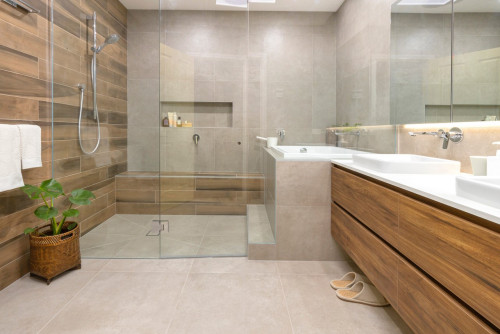
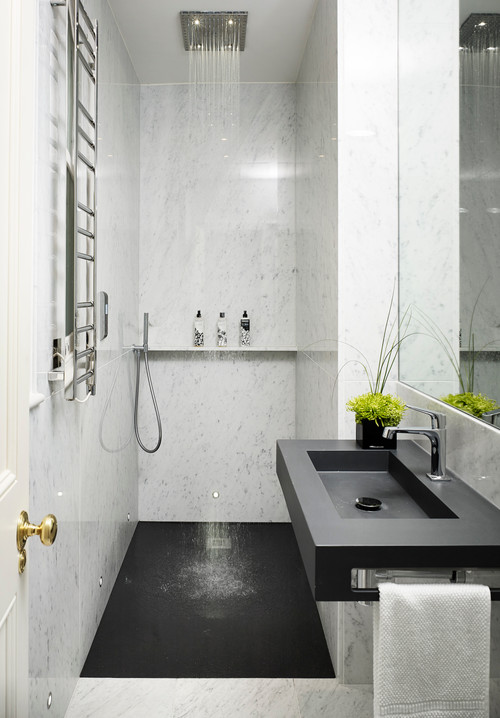
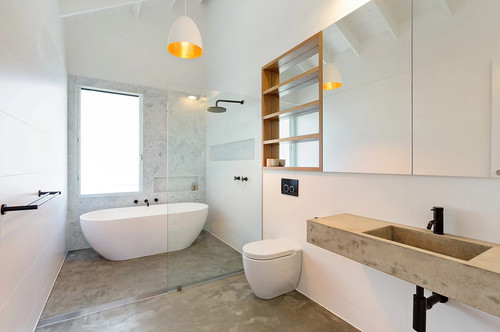
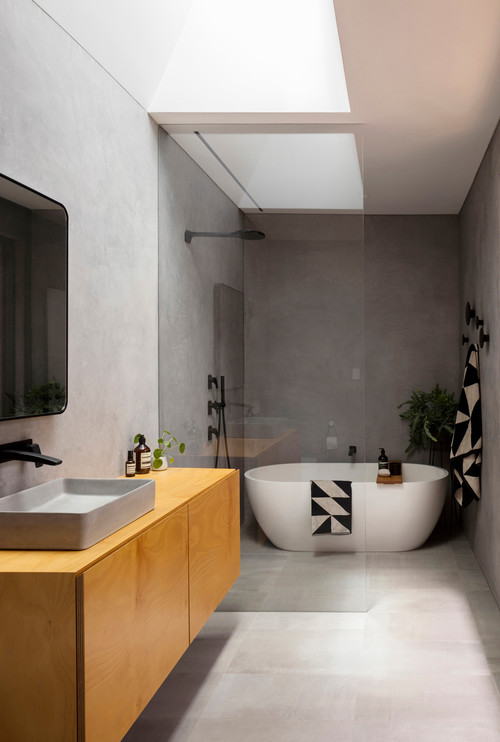
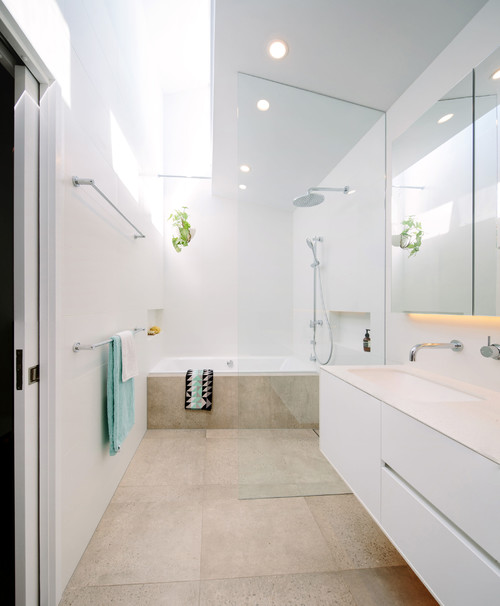
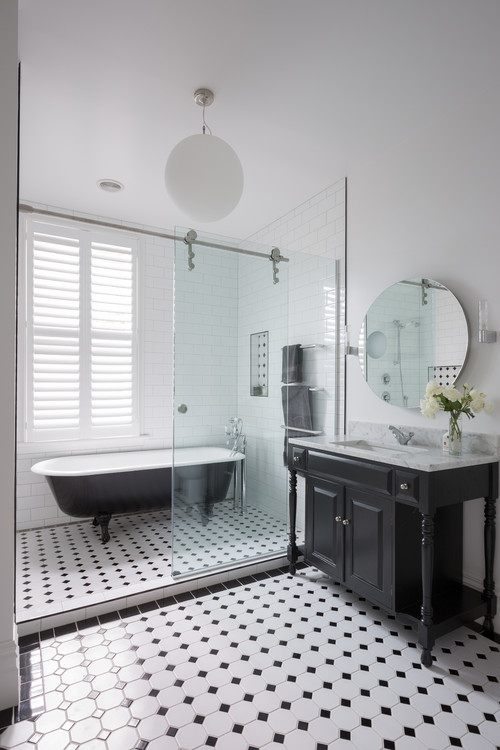
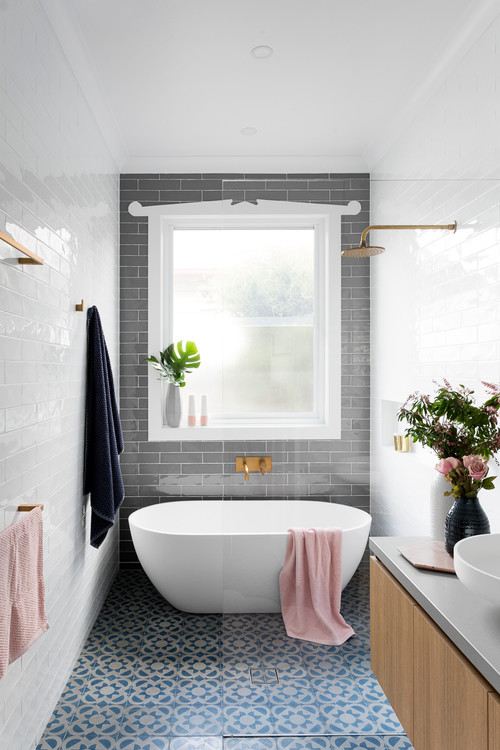
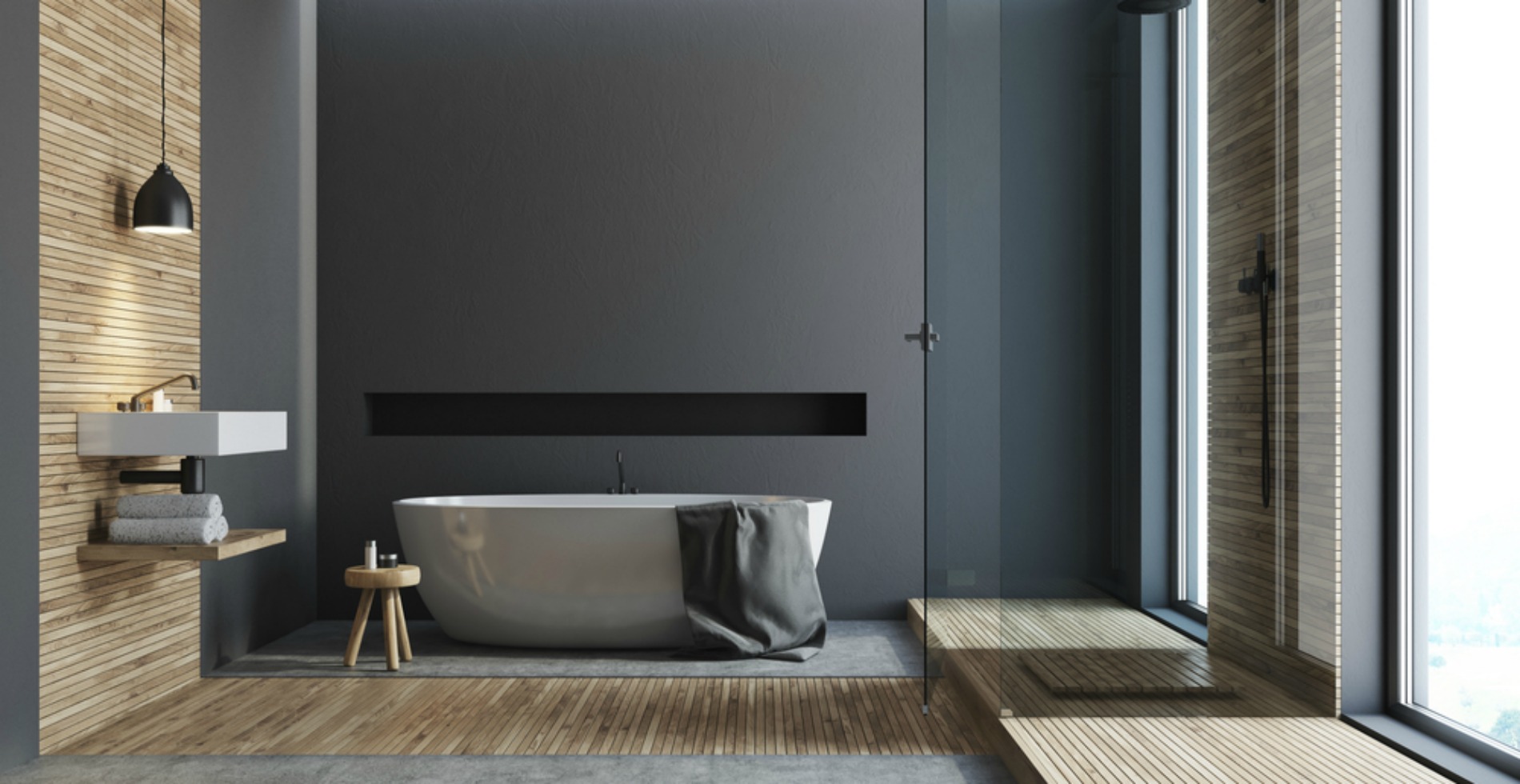
Wet room bathrooms are a big trend in bathroom design. Whether fully open or using a single plane of glass to enclose the shower and bath, this design is popular for a few reasons.
The wet room bathroom has design roots from Japan. I remember when I was in high school, studying Japanese, I learned this design feature and thought it was a bit weird. It’s interesting I still remember this information all these years later and it’s now becoming a popular bathroom style in Australia.
There are many reasons why wet rooms are fast becoming a popular bathroom style. Here are the pros and cons of wet room bathrooms, if you’re thinking of this style of bathroom for your home.
What is a Wet Room Bathroom?
A wet room bathroom is where the shower is not enclosed with a shower screen and there is no shower tray. The water from the shower drains away via the open, tiled floor area of the room, and the water drains down the main drain in the bathroom.
The floor will have a gradient to ensure all water runs to the drain. It’s recommended the drain for a wet room is more than 50mm, to allow for adequate water drainage.
Like all bathroom renovations, licensed plumbers and builders should be hired to do the job correctly. A wet room bathroom will require the walls and floors to be waterproofed and completely tiled. Underfloor heating will also need to be considered, to allow for the water on the floor to evaporate effectively.
What are the Pros of a Wet Room Bathroom?
There are a number of reasons many home owners and renovators are opting for a wet room style bathroom. The main reason is it does away with the glass shower screens, which are known to be difficult to keep clean.
The openness of the bathroom can make it look bigger than what it seems. This can add value to your property because spacious bathrooms are now a winning factor when prospects consider to purchasing a property.
This style of bathroom also works well in smaller bathrooms, where there is limited space.
The installation of the bathroom with the extra tanking (water-proofing) is considered to last longer as it has extra protection than a normal bathroom with a tanked shower only.
What are the Cons of a Wet Room Bathroom?
The biggest con, is everything gets wet. The bathroom can be a humid environment. It’s important to consider how guests will use this bathroom if it’s the main bathroom of your home.
For example, if you have guests over and someone has to use the bathroom, they will have to walk into a wet bathroom to wash their hands. To avoid this situation, section your bathroom with a single screen or install a powder room and keep the main bathroom for personal use only.
Wet rooms can be an expensive bathroom to fit out because the walls need to be tiled from the wall to ceiling. They will also need to be waterproofed too. Check your local authority on the height of the waterproofing.
The room needs to be adequately ventilated, and you will be limited on the style of vanity cupboards you install. I’d avoid timber and consider a wall hang basin, with concealed wall storage.
Everything gets wet in a wet room bathroom – not just from the spray of the shower, but the mist of humidity. Enclosed showers are able to keep a lot of the moisture in. Towels and toilet rolls can get wet. Again, think about in wall storage solutions to avoid this inconvenience.
Also think about window placement. A skylight may be a better alternative to allow for natural light into the bathroom. If there is a window, ensure it has a waterproof covering to protect for mould and decay.
A clever DIY hack is having a shower curtain installed that can be used the protect the window from getting wet. This may not fit in with the aesthetic of your bathroom, but is it a way to get around the problem. Alternatively, place the bath against the window to allow distance from the shower spray.
Another con to consider is if you choose to resell your property, buyers may dis your property because it doesn’t have a bath. It’s important to think about whether your house is a forever home or a lillypad. If it’s a lillypad, it should have a bath for resale value.
Have the best of both worlds
Many wet room bathrooms, incorporate 1 shower screen to section the shower area. A rainhead shower is used as it sprays downwards, and not out.
The benefits of sectioning your bathroom so the shower and bath are together, is it reduces the space that needs to be waterproofed. It also means you can have the vanity of your choice, as it’s protected from the water and humidity caused from showering.
If I chose to have this style of bathroom, I’d section my bathroom this way so I could have the best of both worlds.
The wet room bathroom has come about due to the minimalism movement and the push away from creating spaces that require less cleaning and allow for more relaxation.
It is a fabulous choice in bathroom design if you’re looking for something that is contemporary.
What do you think about the design of wet room bathrooms? Is it a style of bathroom you could live with? Is it a style of bathroom your desire?
The sewer of defeat is easy to jump into when life turns to crap.
Let’s be honest, it really has been a horrifying and scary time to live in. And with it piggy backing off domestic violence horrors, floods, bushfires and personal worries and health issues (whatever they may be), 2020 could be described for many as the year from hell.
The unknown impact does concern me. While I have my faith and I still believe God is sovereign, I am also very human and there have been more than a few occasions where a few WTF’s have been uttered to God in disbelief at each breaking news segment.
But while I’ve been consuming the news online and wanting to be in the know on all things coronavirus, I’ve also been reminded to practice gratefulness. My current position requires wise stewardship because even though I haven’t lost my job, I’m in a position to be able to help others who are unemployed and are scared about their future.
I am grateful I can self-isolate in a home where I have water, electricity and internet. I have a job I can work home from as does Jacob.
Our girls are going to learn new life skills while in home-isolation. I do have the ability to shape their memories during this time. There will be fights – I have no doubt. But the extra time spent with my girls during the day will have purpose, despite the upheaval of their normal routines.
My heart aches for those who aren’t in a similar position. For those who have lost their homes in bushfires or recent floods. For those who are displaced and have had to isolate in tents or temporary accommodation. I can pace my house from the kitchen to the bathroom or from the front door to the back for exercise, but for those in a tent, that’s not possible.
I’m also concerned on how the most vulnerable in our world will be impacted by this virus. In the slums of Bangladesh, where the predictions of loss of life are heartbreaking to comprehend.
Comparison is not a reaction to adopt right now, but gratefulness and concern for the needs of others certainly is.
As the news gets dire, as people share how they have lost jobs and incomes, as the complaints come through over what the government is and isn’t doing, as the fears mount on how businesses will survive and if the family home will be lost, let’s not jump into the sewer of defeat.
If you are in a position to help others, then help. And if the needs are overwhelming around you, start with your family and your neighbours. This is what I’ve been doing. I’m a practical person and want to step in and make something happen for everyone affected.
But the needs are so great. I have felt rendered useless. But sometimes the only thing that can be done is to be a listening ear via social distancing or social media.
If everything around you feels like it’s crumbling, here are my personal suggestions to adopt. I’m not a pastor or a psychologist, just a person using all she’s been taught and knows to share some thoughts.
1. Acknowledge your feelings are valid
If you are upset, angry, scared, disappointed – whatever the emotion – cry it out or talk it out. The feelings are valid during upheaval.
2. Praise God
God is always for you and not against you. Praising during the valleys will lift your spirits and change your heart.
3. Pray for eyes that see and a conscience willing to hear where God leads
This one is important. Eyes that see allow you to see where you can pivot to help others. When you see a cry for help on social media, reach out. If a person’s name is laid on your heart, send them a message or a letter. If you are in a financially secure position and can help others affected, this is the time to practice generosity. Extravagant generosity. Spend with local small business. Turn browsing into online shopping.
4. Don’t recruit others to your pity party
Did you know you can tandem jump into the sewer of defeat by offering a hand to someone else and jumping in together? Why not be the hand that drags someone out. Let’s get out of the darkness. It’s easier said than done, but the two previous points will certainly help you get into a position where you can lift someone UP.
5. Speak life into dreams, don’t speak out predictions of failure
Always speak positivity. If you have thoughts of negativity like
‘I’m going to lose my house to this.’
‘We will never recover from this loss of income.’
‘I’m going to lose my job.’
‘I’m a failure and should have had more money in the bank to prepare.’
Or whatever it is, don’t SPEAK it out. Speak out what you want to see happen instead. Read your bible instead. This verse has been of great comfort to me during this time.
6. Always believe the best is yet to come
Some of the most amazing times of my life have occurred in the valleys of my life. While it won’t feel like it right now, a new business idea will take hold, new passions will be discovered, the impacts of a busy life will be reversed due to a calmer lifestyle.
I’m looking forward to reading new books, listening to new songs and even holding new babies because they were all conceived during this time of upheaval.
On a personal front, I want to say thank you for reading my blog. You may not share the same beliefs as me, and that’s ok. I still appreciate you all the same for coming to read.
I’ve changed my work load to say yes to some things and no to others to manage the lifestyle changes needed due to COVID-19.
The content on The Plumbette is going to continue. I will journal a bit of what we get up to during these days. I was also reminded that it’s being catalogued by the Australian Library so the posts during this time are going to make future history.
Yes, I know it’s the end of March, but February flew by and March is being overtaken by COVID-19. My to-do list now has a tick against ‘share our home maintenance for February 2020’.
For a short month, we got a lot of things done in the house.
I didn’t think we would because in February we celebrate 2 Birthdays. But we got more done than I realized. Here’s what we got up to.
Home Maintenance in February 2020
Service Zip Hydrotap
Our Zip Hydrotap needed a service and a new pump replacement. The hot water wouldn’t dispense when we pressed the lever. I love my Zip Hydrotap and didn’t realise how much we relied on it for our tea and coffee. Too many times we’d head to the sink to make a cuppa and sigh because we had to put the kettle on. #firstworldproblems
Made a Bee Watering Station
The kids and I did some outdoor craft projects together. Our first project was making a Bee Watering Station.
After all the rain we head this year, I didn’t think the bees needed water… but I was wrong. You can read why it’s important to have a bee watering station in your backyard. These aren’t technically home maintenance, but they were projects we did around the home in February. They could be a project you do with the kids at home in isolation.
We’ve always had a bird feeder in the tree on our front lawn and I wanted to add a second bird feeder. We get a lot of rainbow lorikeets, cockatoos, pigeons, galahs, corellas and even a rare visit from a rosella .
The cockatoos were smart and tipped the jar to put seed all over our lawn. Still a worthwhile project, nevertheless.
Installed Retractable Garden Hose Reels
For Jacob’s Birthday, I bought two retractable hose reels. It’s been on his Birthday list for a few years and with home maintenance our key focus this year, it was the perfect gift.
I chose the Pope brand and it’s made such a difference to our yard. No more garden hoses left on the lawn!
Pressure Cleaned Outdoor Area
Keeping with the outdoor theme, we also pressure cleaned our outdoor alfresco area. It was covered in dust and dirt. I washed the furniture covers and wiped them down with purify essential oil to deter mice and geckos.
Finished Painting Playroom Doors
Jacob also finished painting the doors for the kids playroom. That was an effort and a half. We are kind of over painting now. Will get back to it later in the year.
Purchased Cushions for Playroom Daybed
I received a text from Pillow Talk enticing me with a million dollar clearance sale. I headed straight to store to get cushions to update the playroom. Unfortunately, none of the cushions I wanted were on sale, but I was happy with my shop. Still need artwork and a rug to finish the room.
Updated the Storage in my Ensuite
I also used a voucher to purchase this bamboo shelving unit from Target to update the storage next to our vanity in the ensuite. So far, it’s still tidy and I’m loving it.
It won’t be long till I will be sharing another post of what we got up to in March.
What home maintenance projects have you got on your list to get done this year?
If you read blogs and want to see the continuation of your favourite blogs now and in the future, here are 10 ways you can support a blogger this year.
There is a saying that often gets shared online that says
‘I’m not interested in competing. I hope we all make it.’
I love this.
But there has never been a time where I want this for everyone in my life with the effects of COVID-19.
I actually wrote this post in 2017 and I’ve updated it to 2020 due to the crisis and panic rippling through conversations with friends and colleagues in the blogging and freelance writing world.
The effects of lockdowns, shut downs and lack of spending due to loss of income is hitting everyone I know hard.
It can feel overwhelming to know what to do to help.
As a blogger, traffic has been slow this week, sponsored posts are no longer and my side banners aren’t getting much hits.
I’m not panicking because firstly I have faith. God does his best work with the impossible.
Secondly, 2 years ago I made a decision to get a job where I could work part-time. I’ve got eggs in different baskets. A few of the baskets have gone, but a few are still ok.
When talking with other bloggers who live off the income from their blog, it’s a really scary time.
So how can we support the blogs we love and read on a regular basis? If we’re in lockdown, I think blogs are going to be a valuable source of comfort and inspiration in the hard months to come.
There are many ways a reader can support a blogger as they consistently pump out new posts each week.
Here are 10 Ways to Support a Blogger This Year
1. Read their blog posts.
This is kind of obvious, but it’s actually necessary. If you love a blogger, you have to read their stuff. Organise a day or time when you can check in to see what’s new on their blog. Alternatively follow their blog on bloglovin and you will get an email each day sharing the link to their latest blogpost. While this doesn’t bring income as such, it will help maintain traffic which is necessary for sponsored content.
2. Promote and share a blogpost that resonates with you.
Sharing blogposts is a great way for a blogger to build traffic, but it also reassures them that the content they have created has been useful or worth sharing. It helps with their content plan too so they know what resonates with their readers.
3. Subscribe to their newsletter.
Most bloggers have a newsletter you can subscribe to. This will often share the latest blog posts. It can also include news or promotions not shared on the blog.
4. Like their social media pages.
Don’t like a social medial page for the sake of liking it. Genuinely like it because you enjoy the content they share. This last month has been rife on Instagram with bloggers following me for a follow back. That’s not real engagement and I ignore the requests. If you read a blogger consistently, like their social media pages. You will get to see their latest posts sooner and they often share different content to what is on their blog.
5. Don’t scroll past sponsored posts.
If a blogger is making a living from writing their blog and you have been helped or have enjoyed reading their posts, then you should have no qualms with them making money and writing sponsored posts (sponsored posts are posts that a brand has paid for the blogger to write). It means they can keep spending time creating what you love to enjoy.
Every blogger has a different strategy to making money and what may be considered the best way to make money, may not work for everyone else. Sponsored posts are given a lot of considerable thought by bloggers before they accept the proposal. Saying you will scroll past a sponsored post is like watching your favourite tv show and not wanting to see the ads. Those ads keep the channel running so you can watch your favourite show. Sponsored posts can do the same for your favourite blog.
6. Leave them a comment.
Bloggers love to interact with their community. Don’t ever think a blogger doesn’t want to hear from you. It’s the opposite. So leave a comment on the blog post or on social media and let them know what you think. Don’t be afraid to disagree, so long as it’s done nicely.
7. Buy their products.
If a blogger writes a book, an ebook, has designed a fashion label or sells any type of products on their site, support them and buy their stuff. Keep their products in mind for Birthdays or gifts or just because. If you were already going to buy it, then buy it off a blogger so they can get an income from your purchase.
8. Click on the banners on the side of their blog when considering to make a purchase.
Bloggers will usually have banners or advertisements on the side of their blog. Some of them make money per click or they make money through commission (a percentage of what you spend gets sent to the blogger).
If you know you’re going to buy something from one of the advertisers, why not click through the banner on their blog so they can get some commission? I do this for fashion bloggers. I can’t earn commission from the banners I have on my blog (cause it’s like double dipping and it’s wrong). Instead, I head to a fellow blogger’s page with the same advert and buy through their banner so they can get the commission. This is a great way for fashion bloggers to help other fashion bloggers.
9. Nominate your favourite blogger at awards.
Bloggers don’t run off awards, but gosh receiving a nomination is a lovely pat on the back and can be so encouraging. Nominations are a lovely way to tell the blogger you follow that their work is appreciated and should be recognized. Some awards do have an incentive which can help a blogger keep blogging. There are often all types of blogging awards each year. When you see one promoted, be sure to nominate your favourite blogger.
10. Put their blog forward for business opportunities.
Sometimes if I get a brief that doesn’t work for my blog or if a media agency wants some recommendations for a campaign, I happily send my colleague’s blogs forward. Readers can do the same. If you work in marketing or a sector where promotions are needed, why not put your favourite blogger forward as an advertising possibility?
I’ve had readers send me messages to contact certain companies to offer my blog as a way to promote their services. It’s a clever way of helping each other and it offers me more contacts for future income opportunities.
I’m sure there are other ways you can support your favourite blogger, but these are just some of the ways I support others and how others have supported me as I write this blog. No one misses out when you offer support and I think if more support was given, we’d all be smashing goals sooner rather than later.
I’ve worked from home for many years, and most of the time it’s been with kids at home. If you’re in self-isolation, here are my tips on how to navigate working from home.
1. Create a zone for work
If your home is limited on space, the dining room table or kitchen bench maybe the only option. But don’t write off other rooms in the home which can give you privacy.
I have two work zones in my house. An open office where I do my blogging and family admin. I also have a corner desk in our master bedroom for my night job.
You can set up a home office anywhere so long as you have ventilation, good light, a desk/bench, power, internet connection and of course, a computer.
Don’t write off the butler’s pantry or a storage room if you need to carve out a designated space for the long haul. These out-of-the way areas can minimise disruption to your home as well as give you privacy as you work.
2. Don’t put high expectations on productivity when kids are home
It is really hard working with kids at home. They don’t understand when they’re little that you need space and quiet to work. Often devices can only offer as short reprieve. There will always be interruptions for food requests and kids can’t just fend for themselves by themselves. It often results in fights which make it difficult to work anyway.
I’ve found spending time with the kids first with an activity (here are 70 kids activities to check out) gives them ‘parent time’. I keep the device time for when I need to make important phone calls or quiet to concentrate.
Over the last few years, the times I work have changed. I’ve needed to adapt to new seasons of family life. I would (and still do) work night shifts when Jacob is home and complete writing work during the day when the kids are at school/kindy/daycare.
Now the girls are older they will be easier to keep busy. I’m going to be juggling a bit… but with dedicated night shifts and fluctuations with writing work, I know I will manage.
3. Keep to a semi-flexible schedule
In part with starting the day with a kid’s activity, I would then schedule an hour or so of device time straight after so I could get one major item off my checklist done during my work day. I can concentrate better in the morning so ‘I eat the frog first’ and then attend to emails or admin in the afternoon.
Often early mornings work best for getting a major item ticked off the to-do list. It depends on what type of work you do and if you work better in the morning than the afternoon.
In my open office, it’s easy to set up toys or an activity to entertain one kid that likes to be near me. A roll of paper on the floor with some pens has been a savior many a time. Use the back of wrapping paper if need be.
Social media can be a rabbit hole and you can lose unproductive hours. If you need to schedule posts, do it via your phone while you watch a movie with the kids. I have started to schedule during school pick on an afternoon while in the car. When the kids are home though, I will need to change my tactic.
Keeping a semi-flexible schedule allows kids to have a familiar routine too, but it’s not rigid enough if something needs immediate attention.
4. Team work makes the dream work
Jacob and I have to work as a team. There are days when I need to be somewhere for work or start an earlier shift and he will need to pick up the kids and work from home.
We also both work in essential services which won’t shut down during COVID-19.
When I start work at night, Jacob is walking through the door to serve dinner and do the bath and bed routine. It can feel like we’re ships in the night. But it works for us and we have to put in extra effort to spend time together.
5. Look after your health
Often when you’re pressed for time, you will forgo breaks like lunch. Or you will develop bad habits like hunching or sneaking a chocolate bar for a snack.
Schedule breaks for yourself. Eat lunch with the kids so you don’t forget to have lunch and eat an unhealthy snack.
Check you have your monitor at eye level and you have the right chair and desk height. Keep any receipts for work equipment so you can be reimbursed from work or claim it on tax.
You may not be able to book a massage, but my Shakti mat helps relieve tension in my shoulders and neck. I use this at night, before I go to bed and it helps muscle tension.
What tips can you add when working from home with kids?
What preventative measures should you undertake to get your home prepared for a pandemic? Preparing adequate food, water supplies and toilet paper are only part of the planning process and we’ve been told in Australia they aren’t necessary. This post will hopefully share some preventative plumbing maintenance to consider.
Part of my freelance work involves sharing content on social media. As a result, I’ve seen some crazy opinions, predictions and antics about Coronavirus (COVID-19) which have required a scroll. Sometimes an eye roll.
But one particular post on Twitter from a plumber in the UK grabbed my attention.
A plumber shared a video saying he had a dilemma and wanted to know what he should do.
He had been called out to replace a pump for a customer as they had no heating or hot water (which if you’re living in the UK during winter, is much needed!) but the customer was in isolation due to Coronavirus.
The plumber turned to his social network to ask what should he do? Should he wear the necessary PPE and get the customer to isolate in an alternate room, or just avoid the call out altogether? (Knowing the customer would be uncomfortable with no heating)
Plumbers provide an essential service to the community. The majority of plumbers I know do their job because they want to help people.
I could understand this plumber’s dilemma because he really wanted to help.
But the self-isolating disclosure meant if he chose to help, he was not only putting himself at risk, but also his family and anyone he’d come into contact with after completing the job. Let alone the cost to his business and not being available to his other customers.
I found many of the responses interesting. Some plumbers said do it and wear the appropriate PPE and take necessary precautions asking the customer to remain in a different room, while others said he needed to put himself first and don’t go.
In Australia, there are strict quarantine requirements and many plumbing companies have responded with new processes on how to conduct business during the pandemic.
Screening questions on whether anyone in the home is sick should be mandatory to protect staff.
While no one wants to contemplate contracting Coronavirus, it’s prompted me to consider how well prepared my home is for a pandemic.
Could regular maintenance to the pump have prevented a call out to the plumber? Who knows, but it’s certainly made me even more determined to keep on top of the maintenance in my own home.
After thinking about this plumber’s dilemma, I’d say prevention is the best approach to get your home prepared for a pandemic. With winter on it’s way, you should consider getting your hot water unit, ducted heating and gas appliances inspected and tested.
Thankfully, many hot water systems and ducted units are installed outside the home in Australia. Gas appliances are inside and would most likely require being serviced after isolation has taken place and the threat of the coronavirus has passed.
Is your home prepared for a pandemic? When was the last time a plumber looked at your hot water unit? Have you got your heater serviced in preparation for winter?
Last week I headed to Cape Schanck for a work trip and you can bet I’m counting my lucky stars that the trip was done and dusted before COVID-19 became a state crisis in Victoria and now much of the country.
While no one is travelling at the moment and holidays are being cancelled left right and centre due to the virus, we need to be planning to travel again in the future.
Self-isolation is a great time to research where your next holiday will be. Even if it may take time to save with loss of income or loss incurred from a cancelled holiday. It costs nothing to plan and dream. In fact, it may actually take your mind off the grim news of what’s being shared on your newsfeed.
I thought I’d share where I stayed last week and what I got up to in my limited spare time.
I have only ever been to Melbourne, so heading to the Mornington Peninsular was new for me. After my stay, I told Jacob we would be going back as a family and we’d combine it with a drive along the Great Ocean Road.
Planning for local trips (when it’s safe to do so) in the future is going to be important for our economy. Hence why I’m sharing this now while it’s fresh in my mind.
RACV Cape Schanck
The RACV Cape Schanck Resort is the perfect spot to stay if you’re going to explore the Mornington Peninsular. It’s ideal for work conferences, a weekend getaway or family stay.
The building is unusually shaped… and reminds me a bit like a fidget spinner.
I had a superior room in the main building with a view of the carpark and the ocean. The room was beautifully presented and the stunning view from the window made it feel lux.
The facilities were great with a well equipped playground and jumping pillow for the kids. Only kids aged 14 and below could jump on the pillow. I took a flight on the flying fox instead.
The resort has a golf course, a day spa, indoor pool and gym.
For a weekend away, you could just stay at the resort. But I did get to do a few activities. They are well worth the exploration if you have time.
Running the Bushrangers Way Walking Track
One of my colleagues was keen to do a run early Thursday morning. She told me it was the best way to explore a new place. When she said this, I got instant FOMO even though I haven’t run for at least 12 months.
At 5:45am the three of us were able to borrow a car and drive to the Bushrangers Bay Walking Track near the Lighthouse. We’d been told this would be a great track to run and is described as ‘best coastal scenery near Melbourne’.
I’m not going to lie. Running on a track in the pitch black is not my idea of fun. Being a Queenslander, I had forgotten daylight savings meant it was darker earlier in the morning. I did question whether it was a wise idea to run through an overgrown forest, using iPhone torches to see where we were going.
I openly prayed protection over all three of us. The track is hilly and has stairs going up and down in some parts.
I panted like crazy due to being unfit.
And then I screamed at one section when something fluttered in the bushes – probably a bird waking up to 3 crazy women jogging by.
I tripped and fell flat on my tummy and felt my cheek rolls bounce. I grazed my elbow, but I got up and kept going.
We were ¾ of the way down the track and my colleague said we’d have to turn back if we were going to make breakfast and the first meeting of the day.
Personally, I felt bad we hadn’t reached the end of the track, and encouraged to keep going.
And we did. We arrived not long after at the beach with a sign that said ‘Warning’ and something about waves and cliffs.
After a few selfies at the beach, we jogged and walked our way back to the carpark.
The track is up and down, with stairs and tree caves to run through. As we made our way back, the view via the track was stunning.
We ran through this when it was pitch black… madness.Bushrangers Bay Walking Track View
Overall, we ran/jogged/walked 6km. And I felt it in my legs for a number of days after. But the pain was worth it.
I’d suggest if you do this walk, do it in daylight and not early in the morning in the dark where only the Lord knows what critters could have come out to get us.
It was sweet relief to make it back to the carpark. I didn’t realise the lighthouse was so close.
Peninsula Hot Springs
I got to visit the Peninsular Hot Springs and I have to say it was the perfect treat for my sore legs after that run. There are a variety of hot pools and experiences to enjoy here.
I loved the Reflexology Walk (did this multiple times! Check out my Instagram stories under Travel to see what it’s all about) and didn’t mind the Fire and Ice Experience (hot pool, cold sauna then dry sauna and cold pool plunge or something along those lines).
There was a cave and hydro-massage pool. The gardens are beautifully kept. The serenity, despite it being busy, was relaxing.
Enchanted Adventure Garden
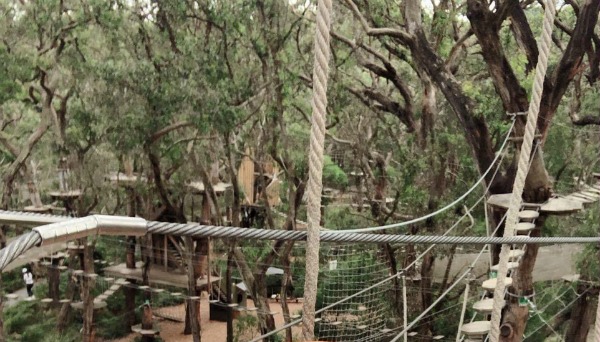
I didn’t get to go here, but I do want to come and visit when I bring the kids. While the name sounds airy fairy, it is a “Family-friendly park with wide-ranging activities like mazes, tube slides & treetop zip-lining”. One of my colleagues went here and loved it. Definitely a place to bookmark when you stay down here with your kids, which I plan do in the future.
One Spa Escape
I had a late transfer on Friday morning, so I booked a Remedy Facial at the One Spa Escape at the resort. The spa has Hammam bathing (hot pools) which you can combine with your treatment. I only had time for a facial. There was a relaxation lounge where you could have herbal tea and snacks. This day spa is definitely a must do again when I come back.
When I got back to Brisbane late Friday afternoon, announcements of events being cancelled were happening all around the country. I’m lucky to have been able to make the trip.
We’ve personally postponed all travel over the next few months to help flatten the curve and do our part to stay healthy. I am blessed to be able to work from home and Jacob is able to do this as well. If the kids get told they have to stay home too, I’m prepared for this also.
But when the worst is over (and who really knows when that is!) a weekend away or a day trip out locally is something I think we should all look at doing.
Who knows, by then we will be itching to get out of the house and explore!
Have you ever been to Cape Schanck?
Other local trips to consider when the timing is right
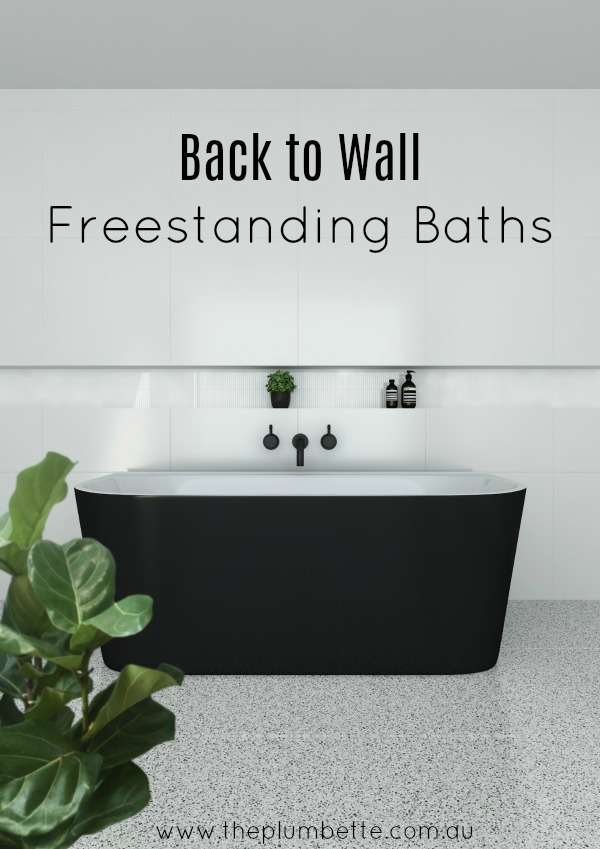
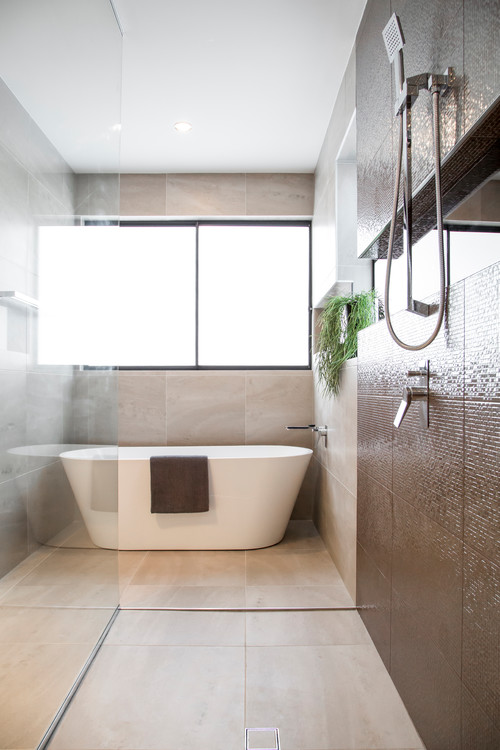
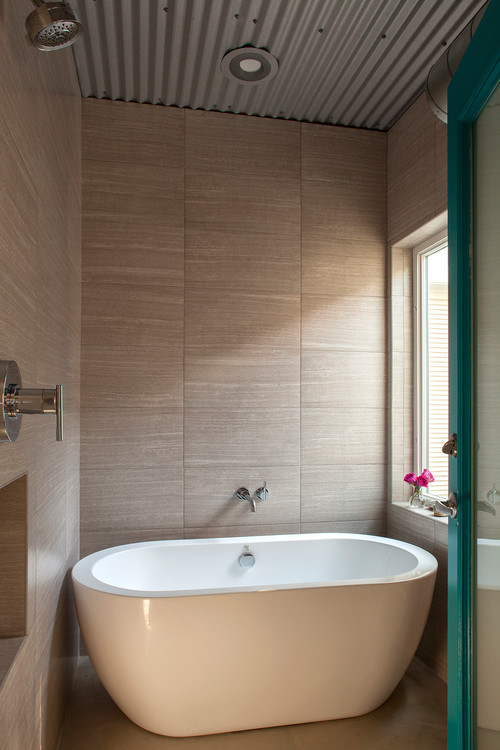
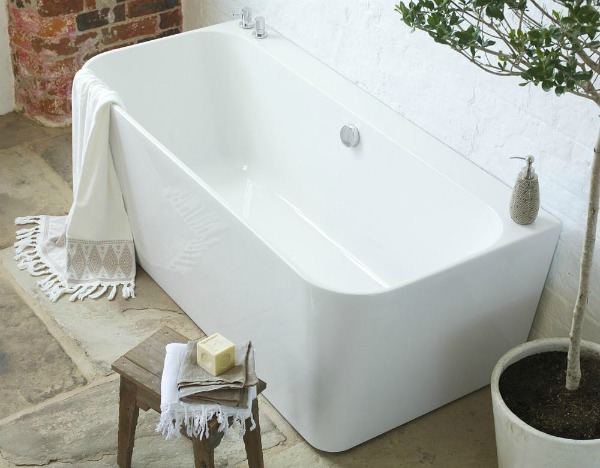
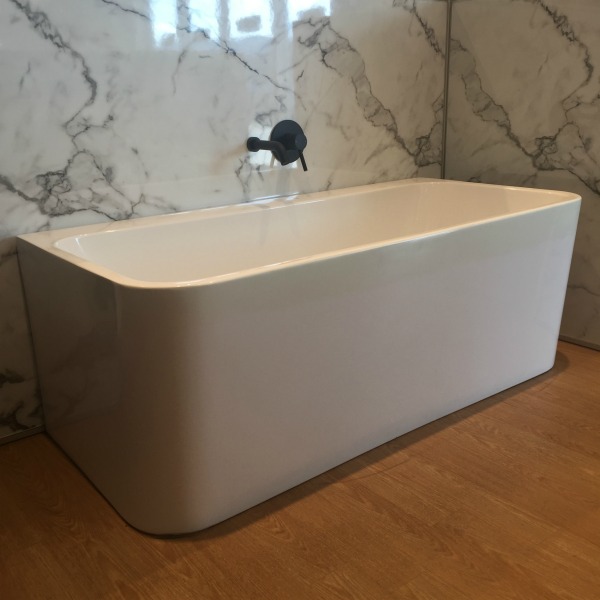
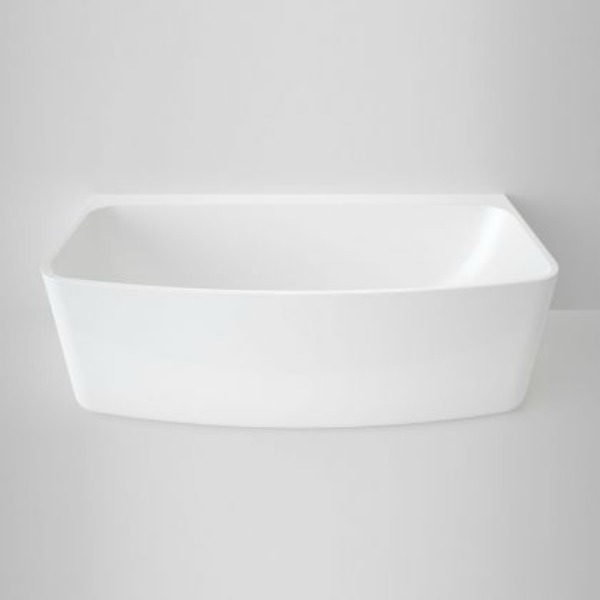
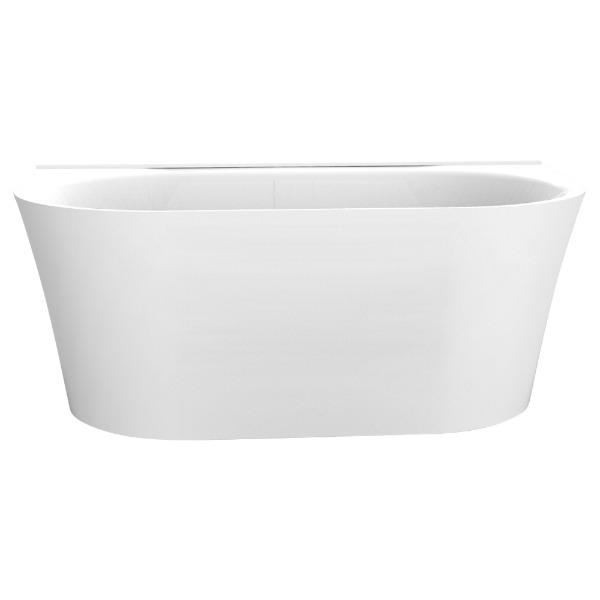
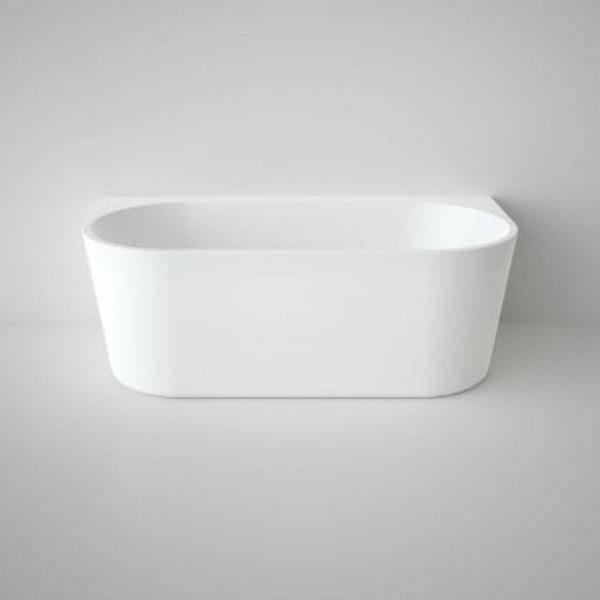
A back to wall freestanding bath is a great option if you’re limited for space around your bath. This style of bath is best suited in confined bathrooms as it butts back to the wall, allowing extra space in the bathroom.
On my recent post for Houzz, I shared three of the common trends that anyone who is looking to build or renovate should carefully consider. One of the points I made was the necessity of having enough room around a freestanding bath for cleaning.
Everyone wants to have a freestanding bath in their bathroom, but they may not necessarily have the space to install one.
What many renovators do is find the smallest bath they can fit in their designated space to get their desired look… forgetting how practical it will be to clean around the said bath after it has been installed with only a tiny gap.
Soapy water left on tiles promotes mould and will go a lovey shade of green if it isn’t cleaned. I know this because my daughters constantly splash about in the bath and even though my bath has been fitted in, the water makes its way under my floating vanity. If I don’t clean it, the water accumulates dust and will go a shade of green within a few days.
This is a really important consideration if you are looking to install a freestanding bath in your bathroom. Too many of these baths are installed with a small gap around the edge of the bath.
Ideally, you want a minimum of 300mm space around the edge for access. If this can’t be achieved, then a back to wall freestanding bath may be your better option. The head and foot of the bath are the only sides you need to consider for an accessible gap.
Before purchasing any of these baths, look at the specifications which will show the measurements of each bath. Add 100mm to the length from the top tip of the bath, not the bottom of the bath as this is often tapered in.
World Plumbing Day is celebrated each year on the 11th March. It’s a day to recognise plumbers for the work they do in maintaining plumbing to our homes, communities and cities. Plumbing plays a key part to your health and wellness.
We can often take plumbing for granted and see it as just another utility for our house. And while this is true, it plays a significant part in keeping you and your family well. It’s also relied upon when you’re not well, to assist with recovery and protecting the health of those living with you in the home.
The two plumbing systems that come to mind are clean water coming into the home and waste water removal out of the home. But here are some other technical parts of plumbing you may not have realised protect you, your family and even your neighbours living down your street.
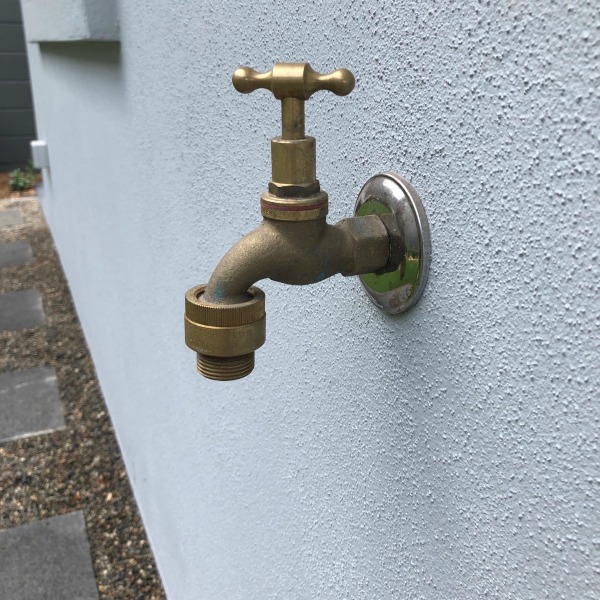
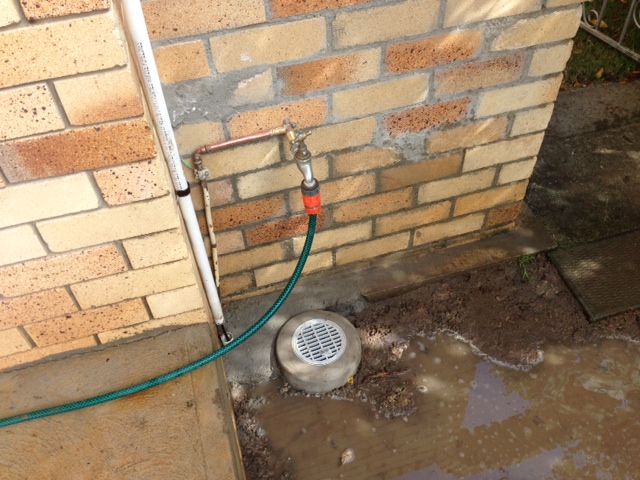
Hose tap with a vacuum breaker
How Plumbing Plays a Key Part to Your Health and Wellness
Water filters remove micro-plastics and other nasties from your water supply so you don’t ingest them.
Traps provide a water seal to prevent the inhaling of sewer gases. They protect the air you inhale in your home. Sewer traps are common under all fixtures like toilet, sink, basin, laundry tub, shower and bath.
Overflow Relief Gullies provide an external overflow for sewerage to prevent an unexpected flood of waste water flowing through your home. This contaminated water can be detrimental to your health when it overflows into your home, let alone the cost to fix the damage.
Vacuum breaker valves on external hose taps ensure contaminated water from the lawn and garden, (ie fertilisers and pesticides) aren’t sucked back through the hose, contaminating the water line to your street.
Hot water is essential for hygiene. It offers comfort and assists in wellness for when you or your family aren’t well. The correct temperature with heater valves prevents outbreak of legionella.
Dishwashers will often clean dishes better than you can by hand. (providing you maintain a monthly clean)
Taps can provide much needed water to drink to keep you hydrated.
Toilets can remove the after effects of sickness (eg gastro) with the press of a button.
The toilet lid plays a part in preventing airborne bacteria dispersing through your bathroom after the toilet is flushed.
Gutters and downpipes catch rain water to carry it away to prevent water damage and mould growth in your home. It also prevents pooling of water, which can attract mosquitoes and prevent spread of disease from this pest.
Mini stop taps provide peace of mind if a flexible hose bursts or water needs to be isolated to a particular area in the home.
Tempering valves on a hot water unit can prevent a child or vulnerable person getting scolded from hot water. Hot water burns can be horrific and a tempering valve plays a part in preventing skin burns.
Correct ventilation of gas appliances prevents carbon monoxide poisoning which is dangerous and can cause death to you and your loved ones in the home, without you knowing.
Baths can sooth sore muscles. They can keep your children clean and offer a water sensory experience, which is key area for their development.
The ORG is the grated drain which is the deepest part of the sewer so if a blockage occurs, the sewerage will overflow out of the grate and not in the lowest bathroom fixture in the house
It’s sufficient to say when plumbing hasn’t been installed correctly or shortcuts are made with plumbing installations around your home, you are putting your health and wellness at risk.
A licensed plumber will have two priorities when conducting their business at your home.
Find a solution to the problem they’ve been called out to fix.
Ensure the solution aligns with the plumbing standards, which protects you and your family’s health and safety when living in the home.
Another key component to plumbing in your home is ensuring water conservation and waste management – ensuring the right waste goes down the correct channels. These situations, if not managed, can affect the future health of everyone.
As you can see, plumbing plays a key part to your health and wellness. It pays to use a reputable, licensed plumber to keep the family home safe. The quality of your life depends on it.